Category: Faculty of Computer Science and Engineering

  • Software Engineering

    Software Engineering

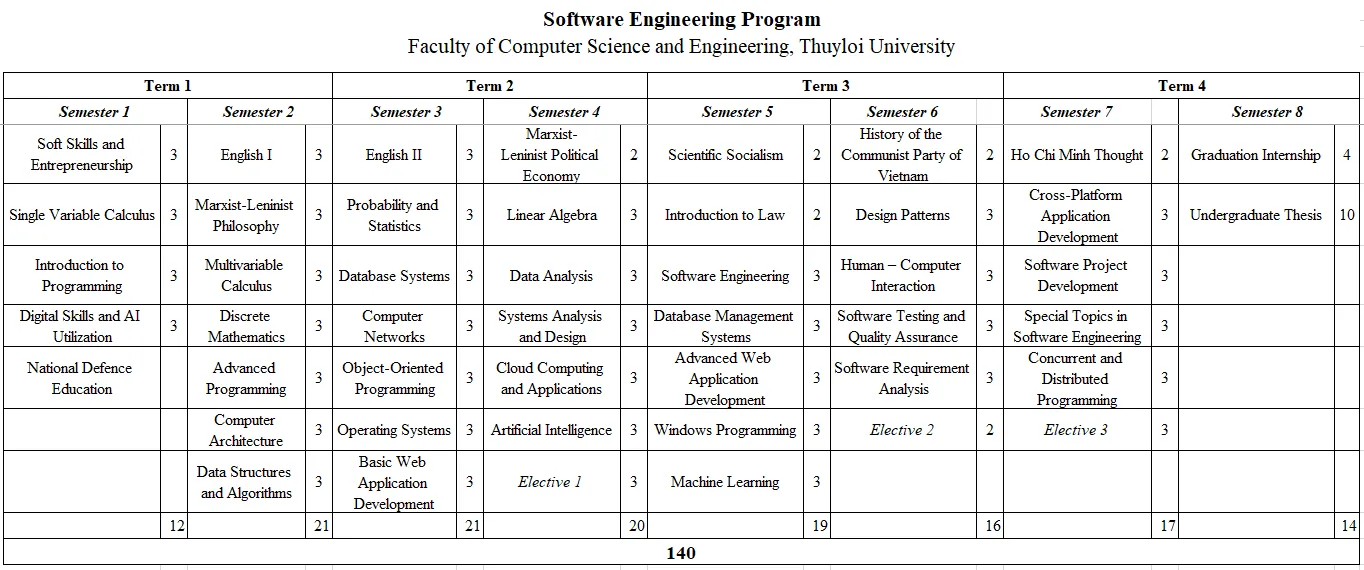
    Introduction: The Bachelor’s degree program in Software Engineering is designed to train students with sound political qualities and good ethical conduct, proficiency and skills in software development, the capacity of applying technologies to real-world applications, the physical fitness, academic – research capabilities, and social skills necessary to work effectively in interdisciplinary, multicultural, and multinational environments.

    Highlights: The Software Engineering program is continuously updated with new, cutting-edge knowledge and technologies. Students are equipped with the essential skills needed for real-world work, such as the ability to collaborate in teams on software projects and the ability to self-learn new technologies.

    Credits: 140

    Duration: 4 years

    Objective: The Bachelor’s degree program in Software Engineering is designed to train students with sound political qualities and good ethical conduct, proficiency and skills in software development, the capacity of applying technologies to real-world applications, the physical fitness, academic – research capabilities, and social skills necessary to work effectively in interdisciplinary, multicultural, and multinational environments.

    Career Prospects: After graduating from the Software Engineering program, students can work at organizations and enterprises in information technology or in IT application, particularly software development companies. Career positions include: Software Business Analyst, Software Designer, Software Development Engineer, Software Tester, Software Quality Assurance Engineer, Software Maintenance and Operations Engineer, Software Project Manager, Technology Consultant, Software Cost Estimator, IT Staff in agencies and enterprises, Lecturers, Researchers, and IT application specialists at universities and colleges nationwide.

    Professors: Associate Professor, Dr. Le Van Hung, Dr. Le Nguyen Tuan Thanh, Dr. Ly Anh Tuan, Dr. Nguyen Thi Phuong Dung, Dr. Chu Thi Minh Hue, Dr. Cu Viet Dung, Dr. Nguyen Tho Thong, MSc. Nguyen Thi Thu Huong.
    Software Engineering Software Engineering

  • Artificial Intelligence and Data Science

    Artificial Intelligence and Data Science


    General Information

    • Department: Artificial Intelligence
    • Head: Dr. Ta Quang Chieu
    • Slogan: Master Artificial Intelligence, Create Value from Data
    • Degree level: Full-time undergraduate program

    Overview

    Artificial Intelligence and Data Science prepares graduates to turn data into knowledge and develop AI systems for digital transformation. At Thuyloi University, students build strong foundations in mathematics, programming, computer science, and data while advancing to machine learning, deep learning, computer vision, natural language processing, generative AI, and big data. The program connects academic knowledge with projects, research, and industry needs, preparing graduates for careers in technology, finance, manufacturing, agriculture, water resources, the environment, and public services.

    Program Introduction

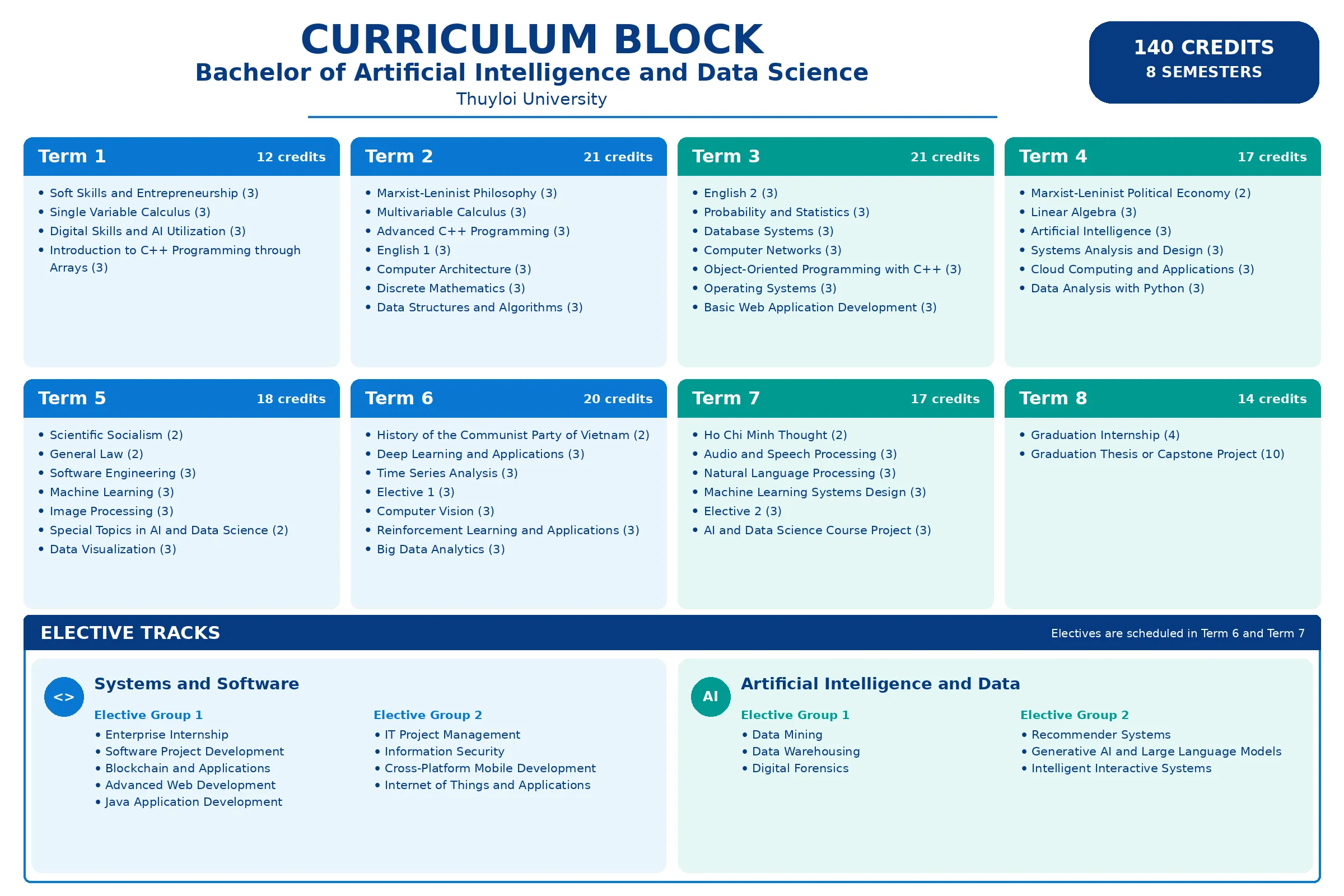
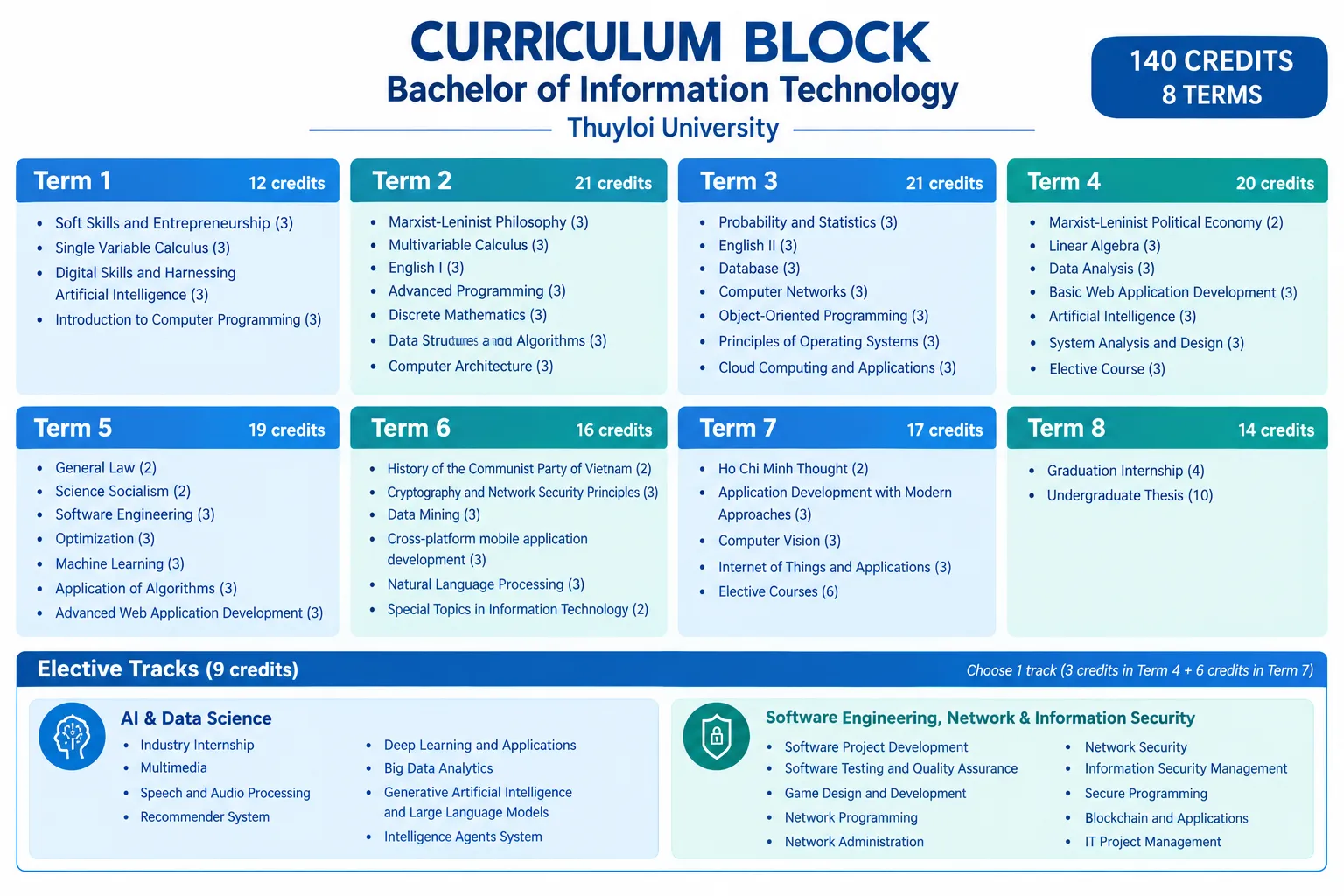
    The 140-credit curriculum follows an eight-semester pathway from core foundations to the development and deployment of AI and data solutions. Practical work, special topics, projects, and internships are combined with electives in Generative AI and Large Language Models, recommender systems, intelligent interaction, cloud computing, blockchain, and the Internet of Things.

    Highlights

    • AI and data in one pathway. Mathematics, programming, and computer science foundations support progressive learning in data analytics, machine learning, and deep learning.
    • Current technologies. The curriculum covers generative AI, Large Language Models, computer vision, natural language processing, and big data analytics.
    • Project-based learning. Special topics, course projects, internships, and graduation work develop practical problem-solving skills.
    • Interdisciplinary and responsible applications. Students learn to create safe and transparent AI solutions for diverse sectors, including agriculture, water resources, and the environment.

    Program Objectives

    • Knowledge. Apply mathematics, statistics, computer science, and data foundations to model and solve AI problems.
    • Technical capability. Collect, prepare, and visualize data; build, evaluate, and deploy machine learning, deep learning, and AI applications.
    • Professional capability. Work in teams, communicate technical results, read professional English, and present evidence for decision-making.
    • Responsible practice. Pursue lifelong learning and research while using AI and data safely, transparently, lawfully, and ethically.

    Curriculum Structure

    The program comprises 140 credits organized across a standard eight-semester plan. The pathway below summarizes the curriculum proposed for Cohort K67 from 2025; implementation follows the program formally approved by the University.

    Artificial Intelligence and Data Science

    Career Prospects

    • AI engineer. Develop machine learning, deep learning, computer vision, natural language processing, speech, and generative AI systems.
    • Data professional. Work as a data scientist, data engineer, data analyst, or big data analyst.
    • Intelligent product developer. Build recommender systems, intelligent interaction, and AI-enabled products and services.
    • Domain AI specialist. Apply AI in technology, banking, insurance, manufacturing, agriculture, water resources, the environment, and public administration.
    • Research and education. Pursue research, teaching, or postgraduate study in Vietnam or abroad.

    Academic Staff

    The Department’s academic staff have expertise in artificial intelligence, machine learning, deep learning, data science, big data, and computer vision. They contribute to teaching and research and supervise student projects and applied AI work.

    No Name Academic title and role
    1 Ta Quang Chieu PhD, Head of Department
    2 Pham Tri Cong PhD
    3 Nguyen Trinh Dong PhD
    4 Nguyen Quang Hoan Associate Professor, PhD
    5 Tran Anh Dat MSc, PhD Candidate
    6 Tran Thi Cam Giang MSc, PhD Candidate
    7 Nguyen Dac Phuong Thao MSc

    Images and Video

    • Video: https://youtu.be/WC2VO-czA4w?si=2DCGaX1xYh19Sdo4
    • Photos:

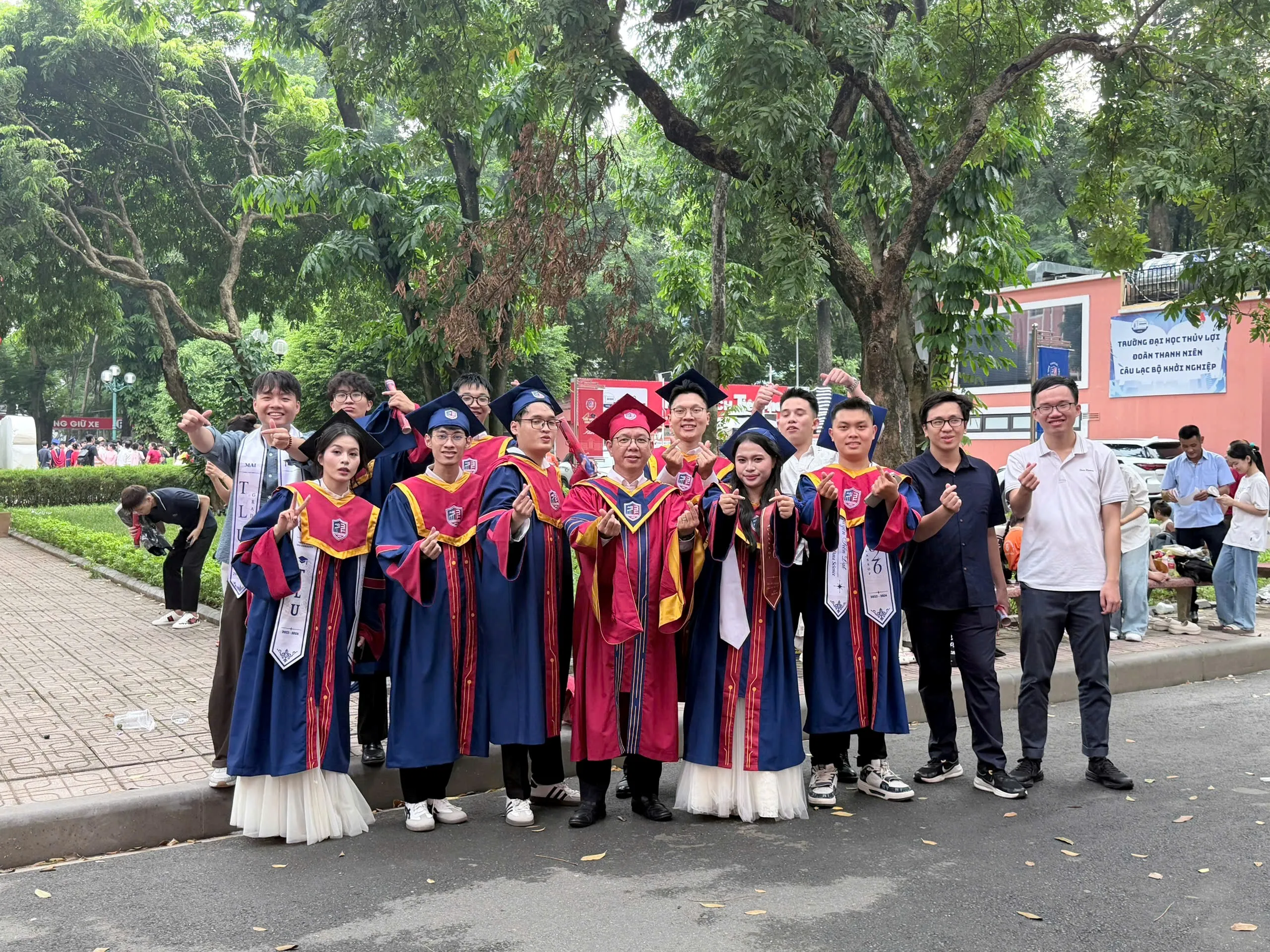
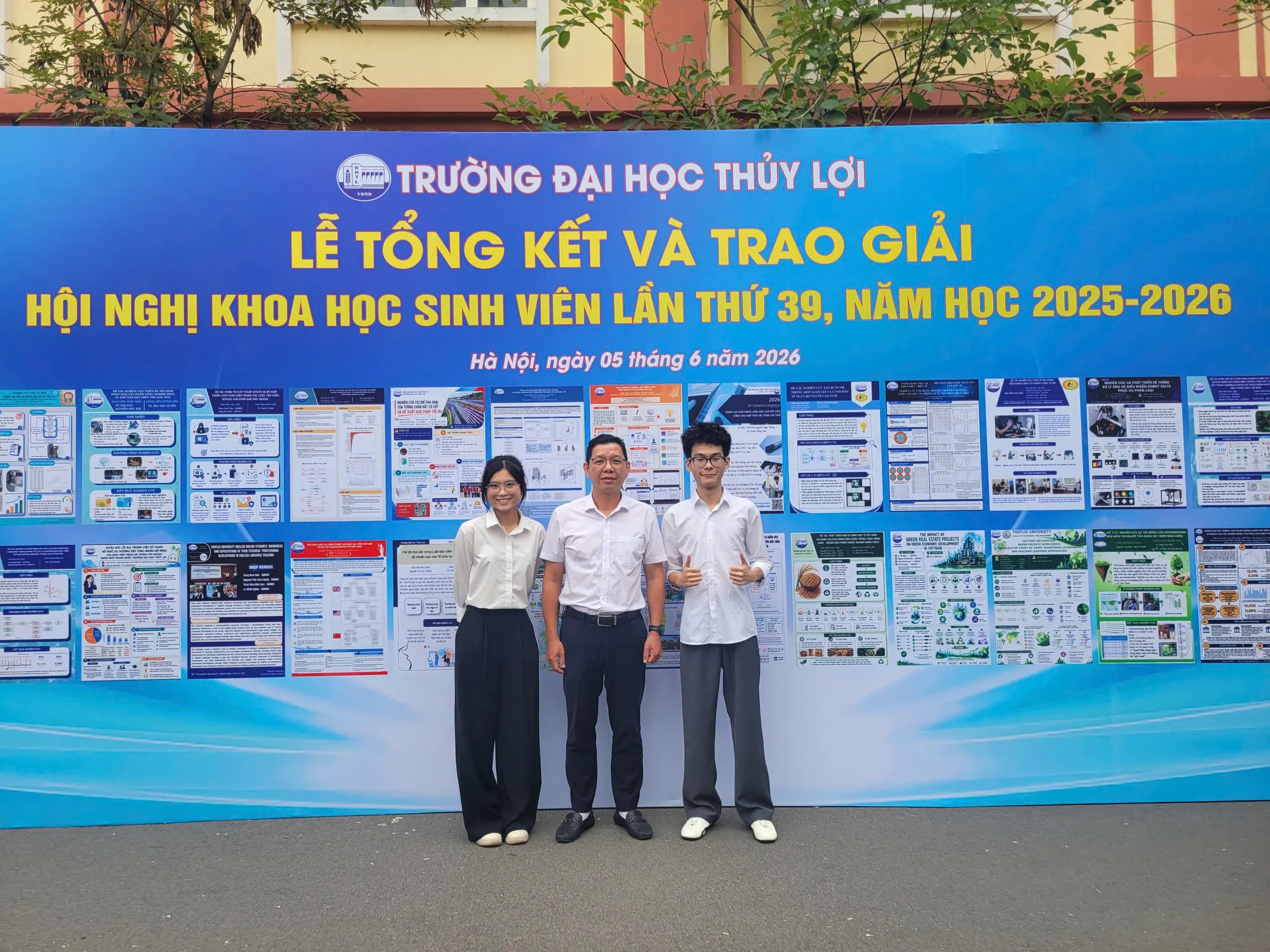
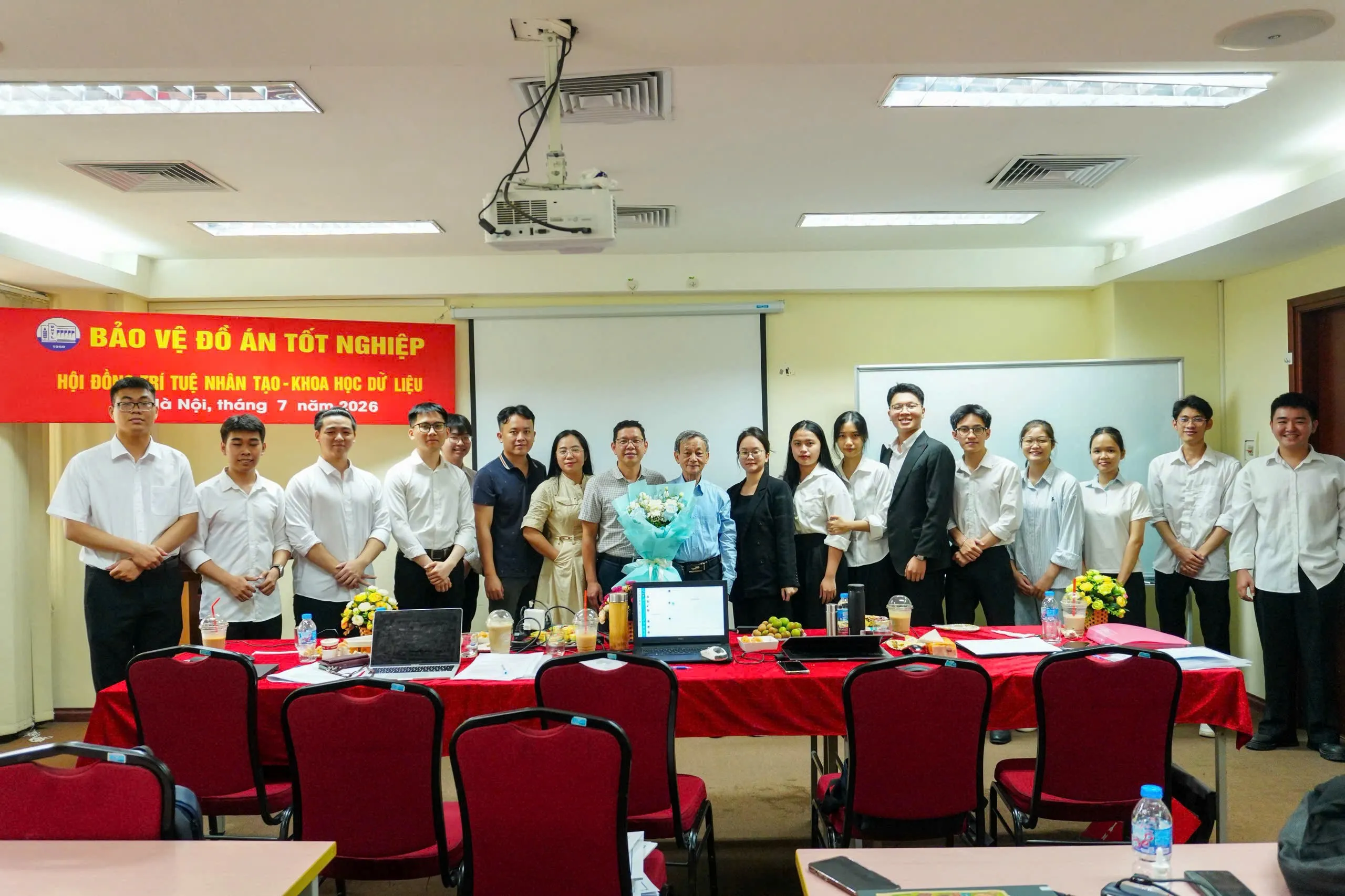
    Artificial Intelligence and Data Science Artificial Intelligence and Data Science Artificial Intelligence and Data Science Artificial Intelligence and Data Science Artificial Intelligence and Data Science Artificial Intelligence and Data Science Artificial Intelligence and Data Science

    Contact Information

    • Unit: Department of Artificial Intelligence, Faculty of Computer Science and Engineering, Thuyloi University
    • Address: Room 208, Building C1, 175 Tay Son Street, Kimlien, Hanoi, Vietnam
    • Email: [email protected]
    • Telephone: (+84) 024 35632211
    • Website: cse.tlu.edu.vn


  • Information Systems

    Information Systems

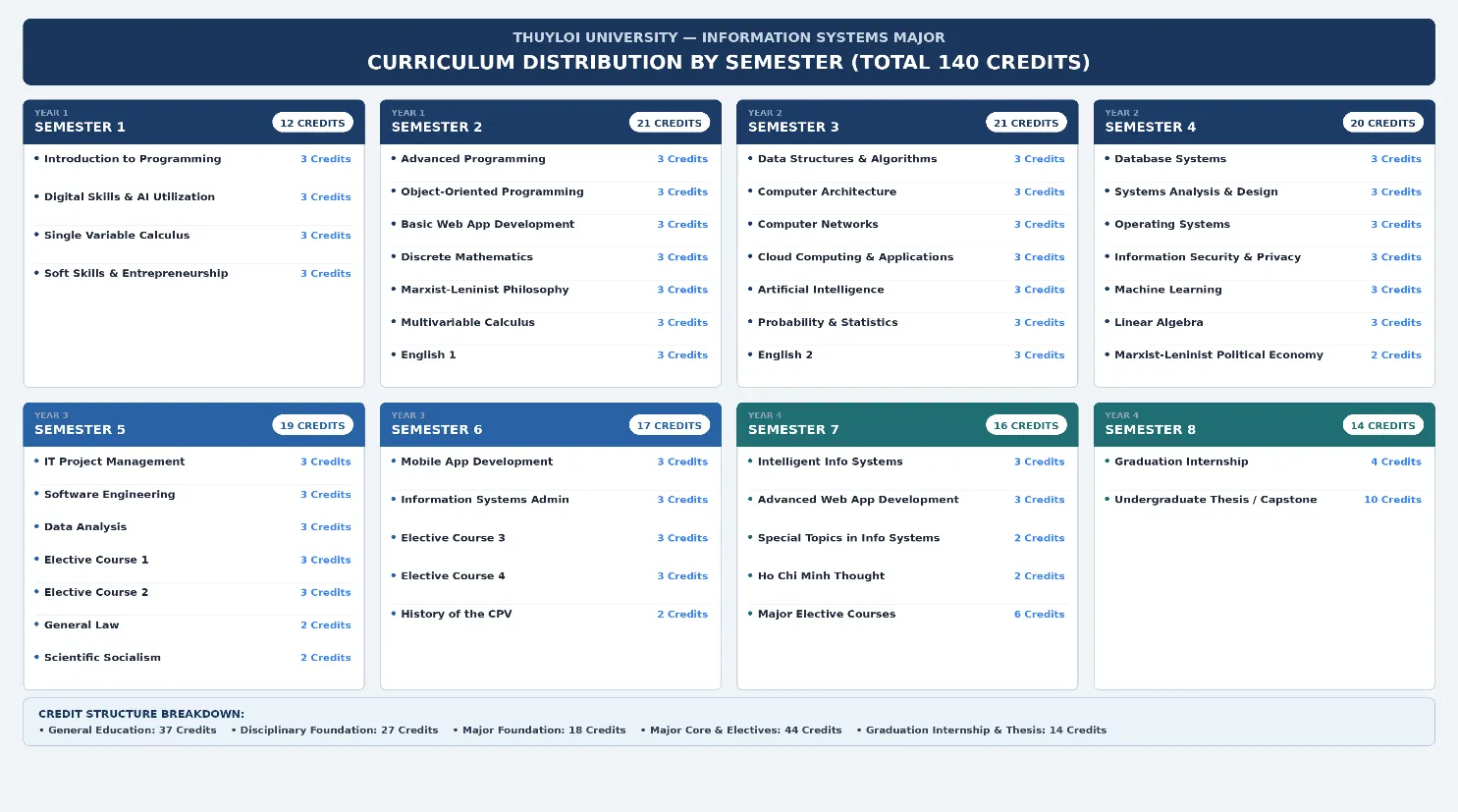
    Introduction The Bachelor’s degree program in Information Systems at Thuyloi University equips students with solid professional knowledge in information systems and essential skills required for the digital transformation process. The program comprises a total of 140 credits, harmoniously integrating general education and professional education.

    Highlights

    • Key Slogan: “Mastering Technology – Leading the Trends!”.
    • Core Skills: Information Systems Development, Data Analysis and Mining, Intelligent Systems Development, System Administration, Digital Transformation, and Project Management.
    • Advanced Technologies: The curriculum integrates cutting-edge technologies including Generative AI & Large Language Models (LLMs), Machine Learning, Deep Learning, Blockchain, Cloud Computing, Data Warehousing, Natural Language Processing, Computer Vision, and Internet of Things (IoT).

    Credits

    • Total Credits: 140 credits.
    • Credit Structure:
      • General Education: 37 credits.
      • Professional Education: 103 credits (including Disciplinary Foundation Units: 27 credits, Major Foundation Units: 18 credits, Graduation Internship & Undergraduate Thesis: 14 credits).

    Duration

    • Training Duration: 4 years (structured according to a standard 8-semester academic plan).

    Objectives

    • Qualities & Ethics: Educate graduates with proper political, ideological, and living attitudes; professional ethics, social responsibility, and awareness of personal data protection.
    • Professional Competence: Apply mathematical and computer science foundations to solve information systems problems; analyze, design, and manage feasible management information systems.
    • Skills & Self-learning Capacity: Cultivate digital transformation skills, self-learning capability, scientific research, and innovation.

    Career Prospects

    • Job Positions:
      • Information Systems Analysis and Design Specialist / Business Analyst (BA).
      • Software and Systems Solutions Developer / Programmer.
      • Data & Big Data Analyst / Data Specialist.
      • AI and Intelligent Information Systems Engineer.
      • Information Systems Administrator / System Administrator.
      • IT Project Manager.
      • IT Specialist.
      • Researcher or Academic Lecturer in the field of information systems at research institutes and higher education institutions
      • Graduates possess the competencies to found their own startups in information technology, data services, and digital transformation solutions.
    • Higher Education: Provide a solid foundation for pursuing postgraduate studies and research after graduation.
    • Professional Certifications: Easily pursue additional international technology certifications (e.g., Google Cloud, Data Science) to expand career opportunities.

    Academic Staff

    • The faculty dedicated to the Information Systems major currently includes 6 PhDs and 4 Master’s degree holders, ensuring high-quality academic and research resources.

    Information Systems Curriculum

    Information Systems

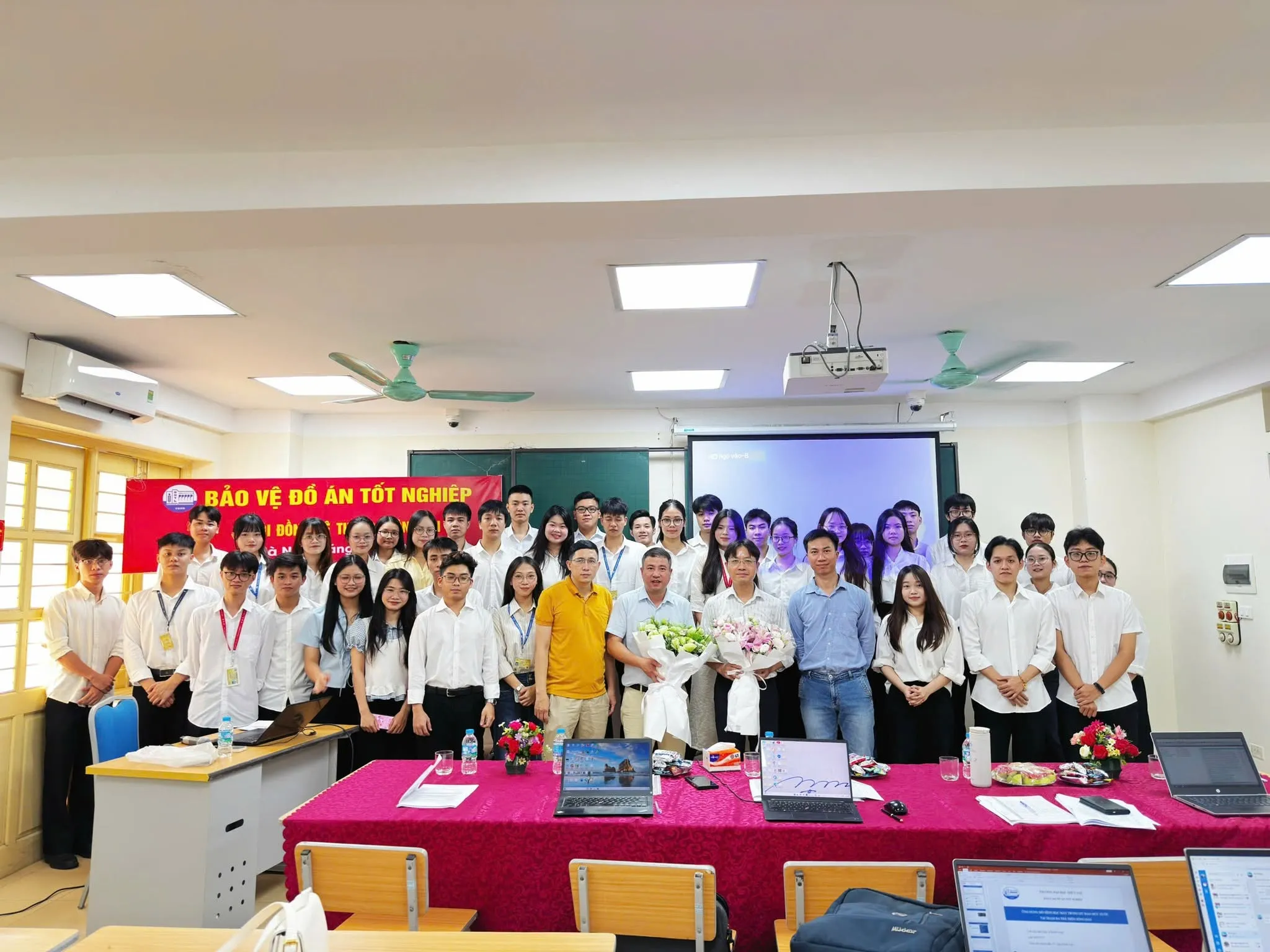
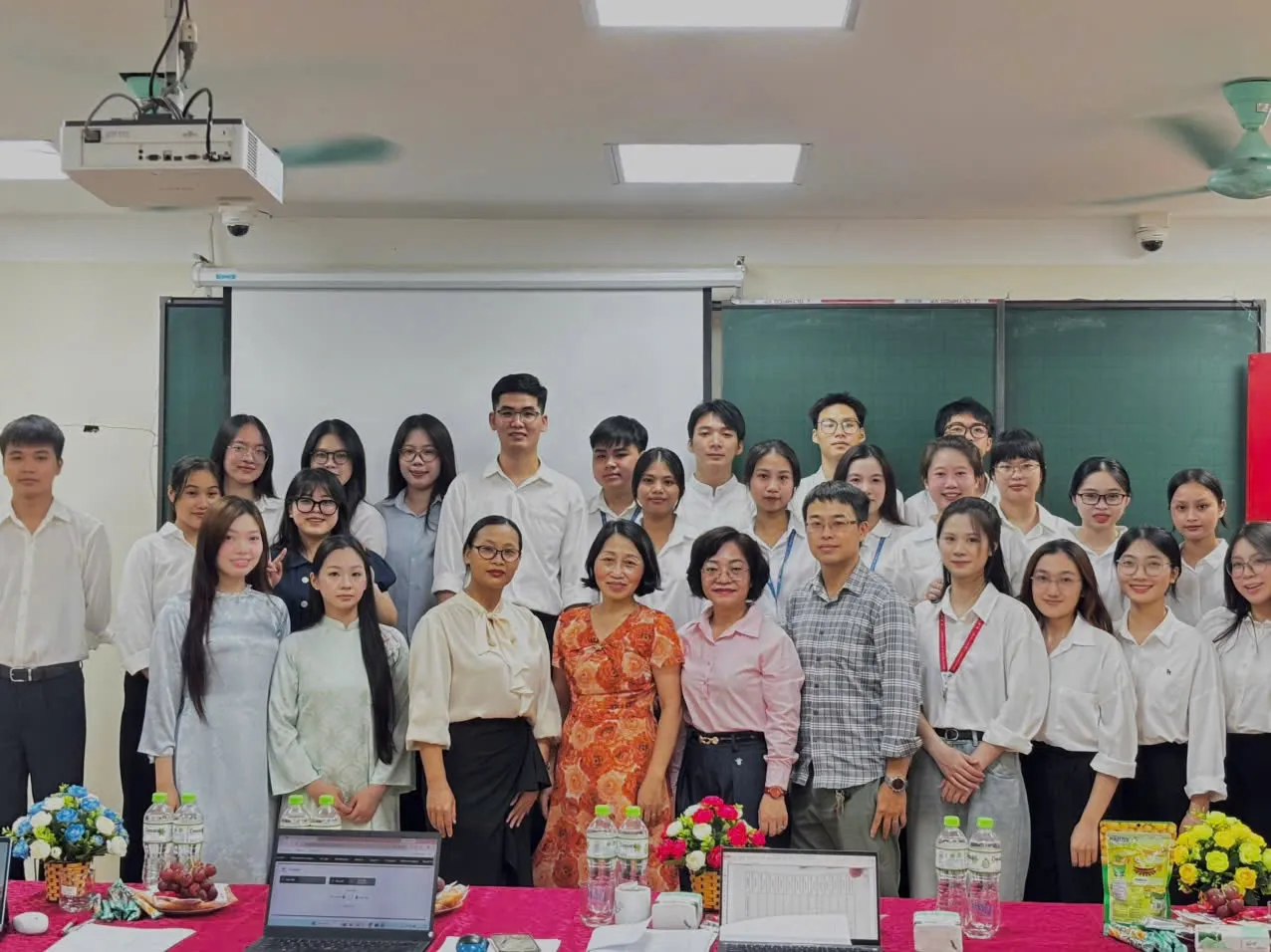
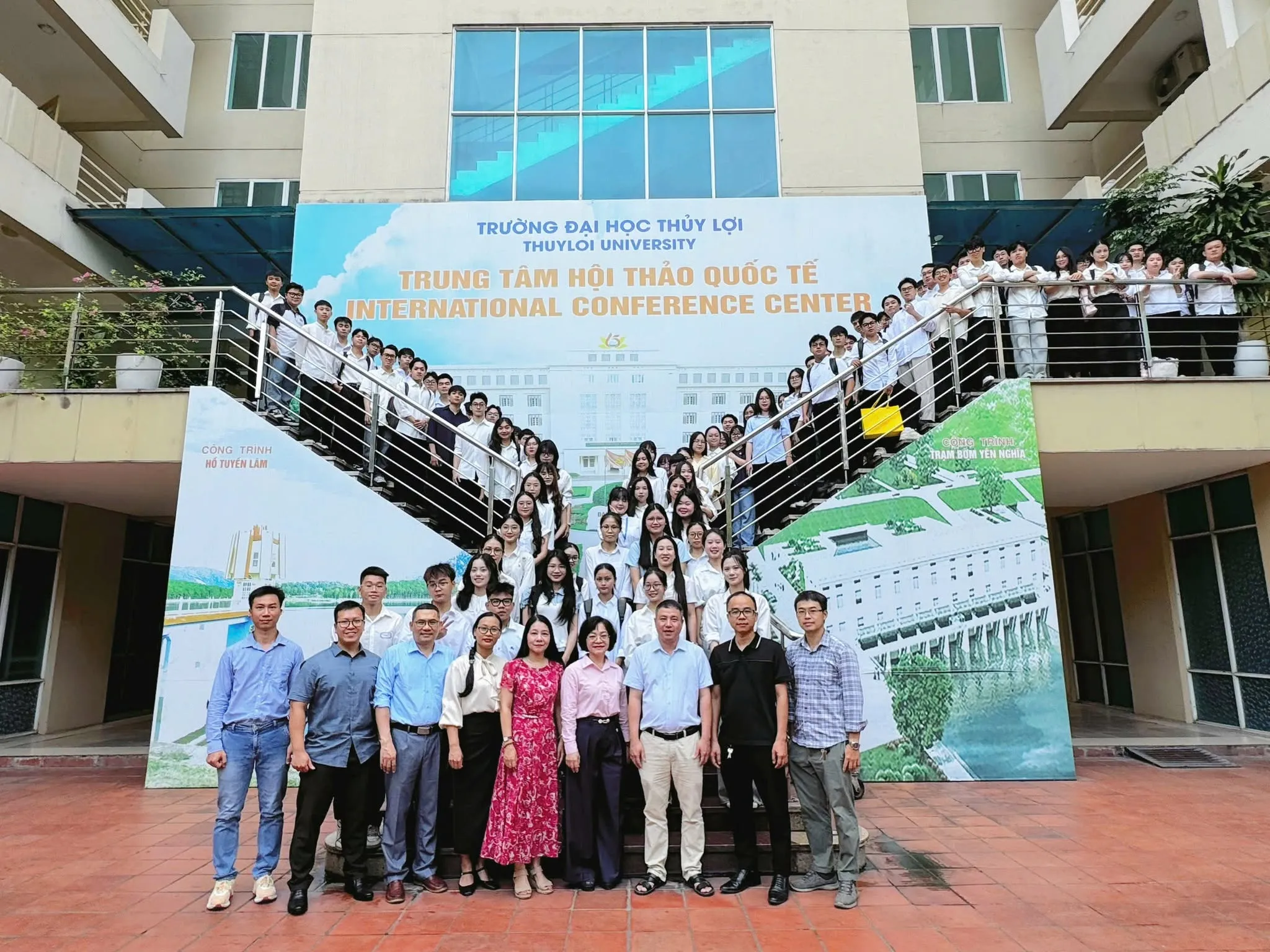
    Photos:

    Information Systems Information Systems Information Systems

  • Information Technology (IT)

    Information Technology (IT)

    Introduction: The Information Technology program at Thuy Loi University provides students with solid fundamental and specialized knowledge in the field, preparing them to meet the demands of digital transformation and current technological development. Students develop the skills to analyze, design, develop, and manage information systems and software projects,… together with effective communication, teamwork, problem-solving, and foreign language skills. The program also emphasizes professionalism, discipline, ethical responsibility, and lifelong learning, enabling graduates to adapt to technological changes and work effectively in regional and international environments. It prepares graduates for professional practice as well as further study, research, and technological development.

    Highlights:

    • The curriculum is regularly updated to reflect emerging technological trends and practical applications.
    • The program integrates theoretical knowledge, practical training, scientific research, and real-world projects.
    • Students have opportunities to undertake internships, interact with, and collaborate with industry partners.
    • The Faculty provides well-equipped classrooms, laboratories, and facilities to support teaching, learning, and research in Information Technology.
    • The program is supported by a highly qualified academic staff, including many faculty members with doctoral degrees.

    Credits: 140 credits

    Duration: 4 years (8 semesters) for the full-time undergraduate program.

    Objective: The program prepares IT engineers with a strong foundation in computing and professional competencies in programming, system analysis, problem-solving, software development, and IT applications. Students are also equipped with the ability to pursue self-directed learning, conduct research, collaborate effectively in teams, and adapt to rapid technological advancements. The program aims to develop highly qualified IT professionals who can meet the workforce needs of enterprises, government agencies, and other organizations in both domestic and international contexts.

    Career Prospects: Graduates of the Information Technology program can pursue a wide range of career opportunities, including:

    • Software Developer / Programmer
    • Software Engineer
    • Network and Systems Engineer
    • Database Administrator / Database Specialist
    • Information Systems Analyst / Developer
    • IT Specialist / IT Engineer in government agencies, organizations, and enterprises
    • Professionals in emerging technology fields, such as Artificial Intelligence, Big Data, Cloud Computing, and other digital technologies, depending on their areas of specialization.

    Curriculum by year

    Information Technology (IT)

    Photos:

    Information Technology (IT)

    Information Technology (IT)

    Video: https://www.youtube.com/watch?v=qib4cXvTQ04

    Contact:

    Information Technology: Room 309, Building C1, Thuyloi University, 175 Tay Son, Kim Lien, Hanoi