Author: Vũ Hương Ngân

  • Building Environmental Intelligence for Vietnam and Southeast Asia: Insights from the TLU–VinUni–CSIRO Workshop

    Building Environmental Intelligence for Vietnam and Southeast Asia: Insights from the TLU–VinUni–CSIRO Workshop


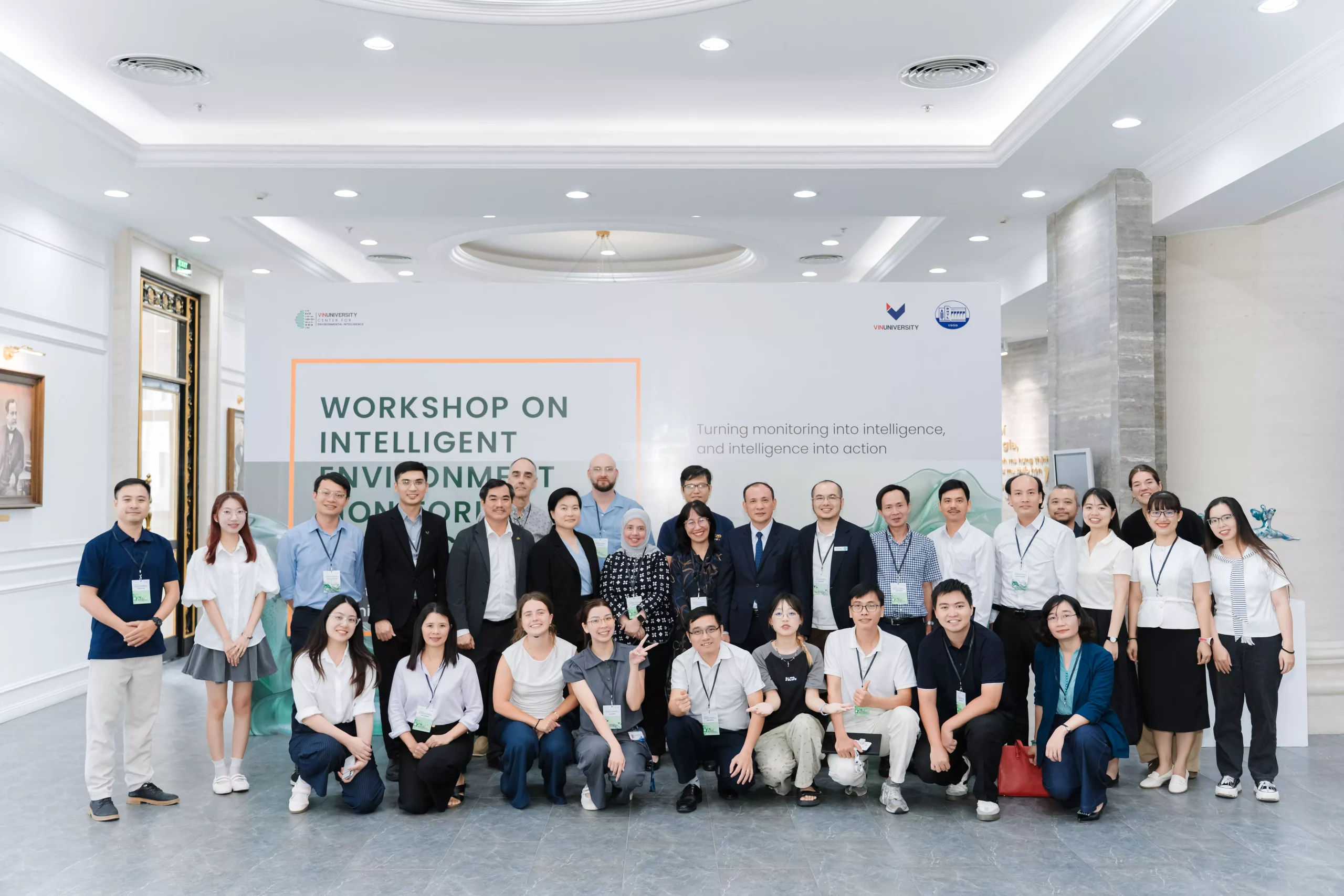
    On 4 September 2026, in Hanoi, Thuyloi University, together with VinUniversity and the Commonwealth Scientific and Industrial Research Organisation (CSIRO), Australia, successfully co-organised the Workshop on Intelligent Environment Monitoring and Forecasting. The workshop aimed to create a platform for cross-disciplinary and cross-sector knowledge exchange, and to discuss how environmental intelligence can better support sustainable development in Vietnam and the wider Southeast Asian region. The event brought together more than 100 delegates from universities, government agencies, including the Vietnam Ministry of Agriculture and Environment, international organisations (UNESCO, FAO of the UN), the Australian Embassy in Vietnam, as well as researchers, lecturers and students from universities and research institutions in Hanoi and beyond.
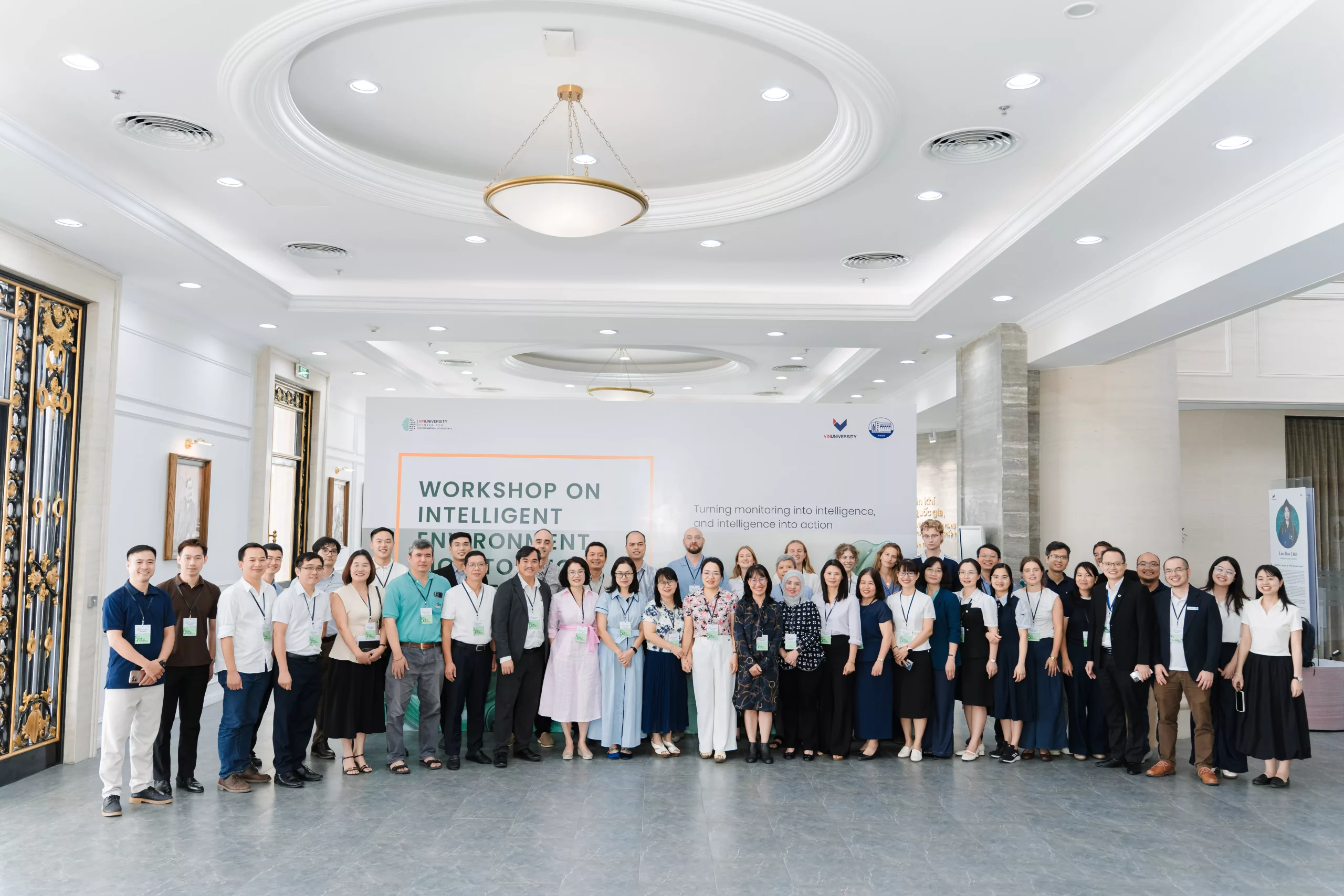
    Building Environmental Intelligence for Vietnam and Southeast Asia: Insights from the TLU–VinUni–CSIRO Workshop

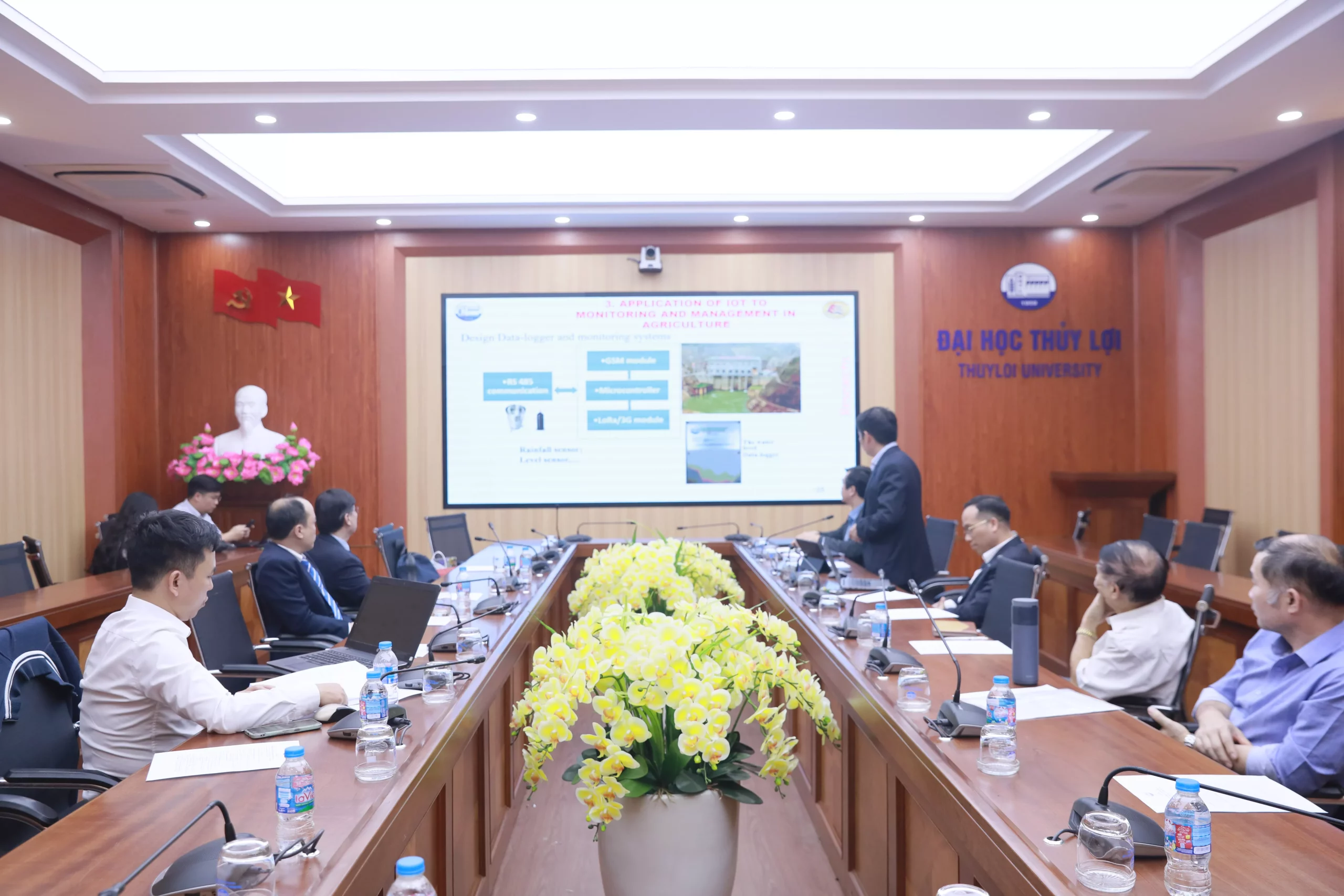
    The workshop opened with remarks from Prof. Laurent El Ghaoui, Vice Provost of VinUniversity, followed by keynote presentations from representatives of the Department of Hydraulic Works Management and Construction (Vietnam Ministry of Agriculture and Environment), CSIRO, FAO, and researchers from Thuyloi University and VinUniversity. The keynote speakers shared recent advances in intelligent environmental monitoring and forecasting technologies in both Vietnam and Australia, addressing challenges in environmental monitoring, management, and water quality assessment. The presentations highlighted growing interest in the use of artificial intelligence, digital twins, Earth observation, advanced sensing, low-cost sensors, and early-warning systems to strengthen environmental monitoring, forecasting and decision support in Vietnam and internationally.
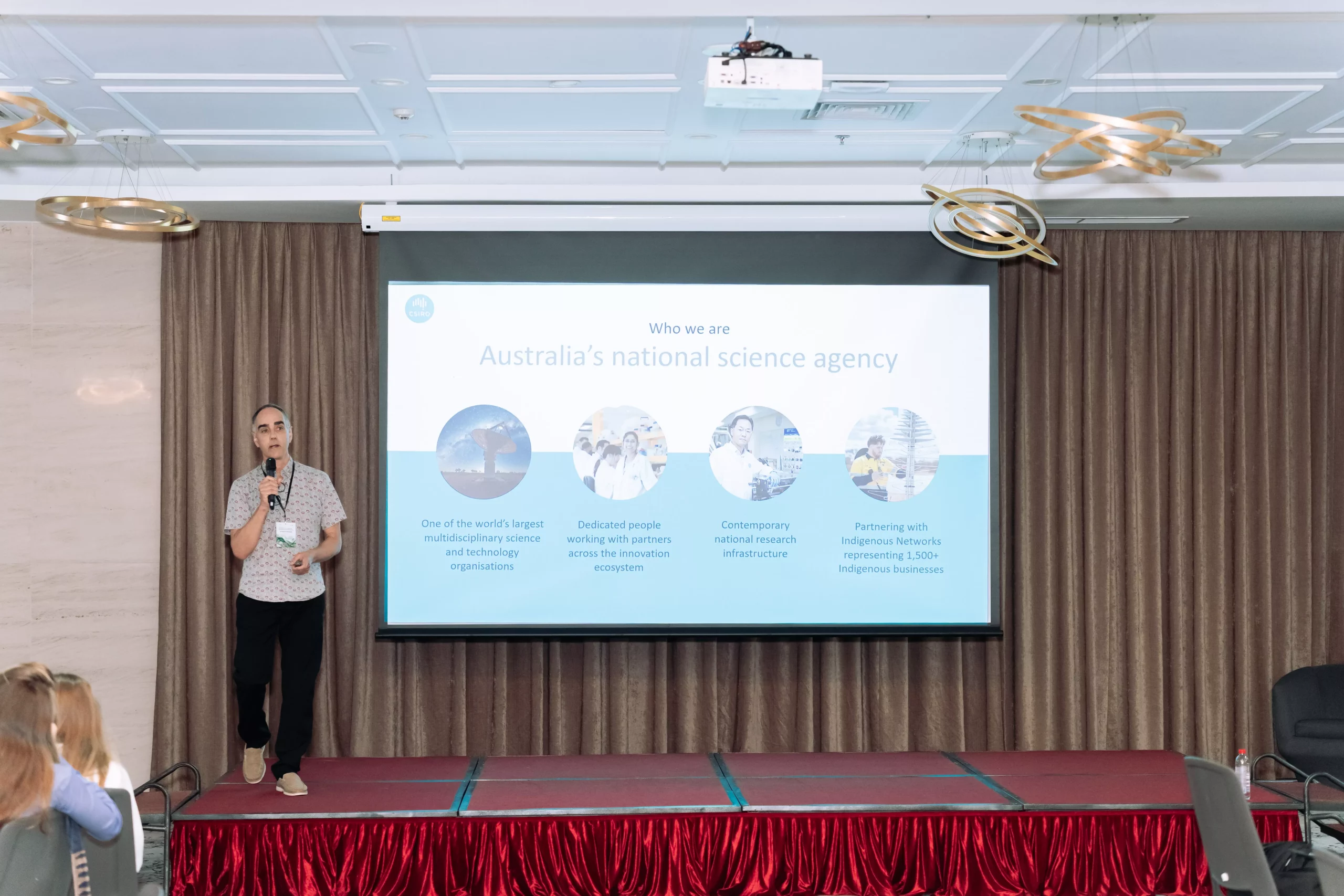
    Building Environmental Intelligence for Vietnam and Southeast Asia: Insights from the TLU–VinUni–CSIRO Workshop

    The workshop also featured an interdisciplinary exchange session (Operational Readiness Sprint) bringing together domestic and international participants. Discussion groups actively examined the strengths and limitations of current approaches involving AI, IoT, Digital Twin, remote sensing and Earth Observation technologies. A recurring theme across the groups was that one of the greatest challenges remains the fragmented, poorly integrated data ecosystem, along with limited institutional mechanisms for sharing data and for translating research pilots into sustained operational systems. Building on this, participants jointly proposed pressing environmental issues to address at the local level, with the Red River and Mekong systems among the locations suggested for potential future pilots. In addition, the groups proposed developing a secure, accessible and cost-effective data-sharing system.
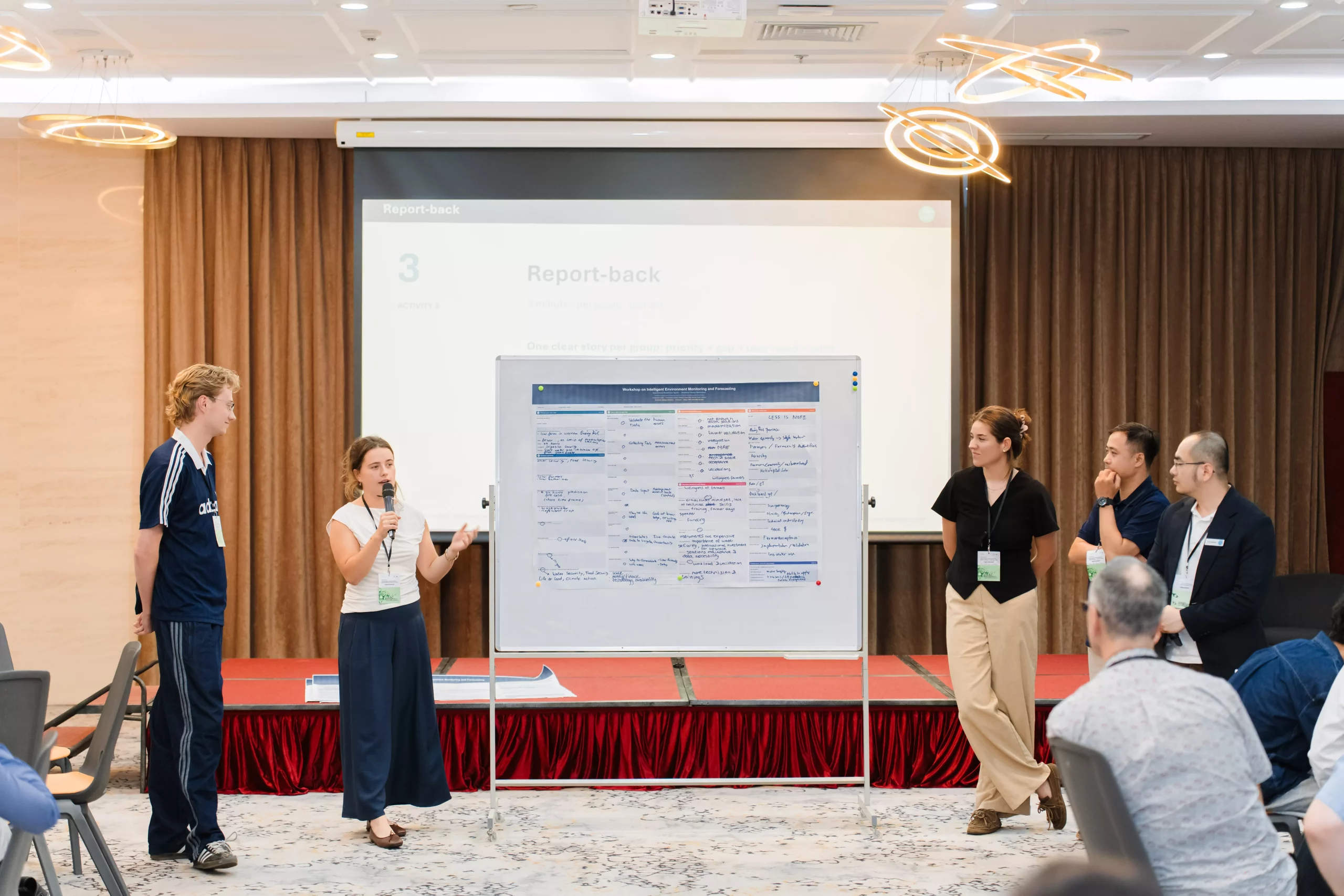
    Building Environmental Intelligence for Vietnam and Southeast Asia: Insights from the TLU–VinUni–CSIRO Workshop

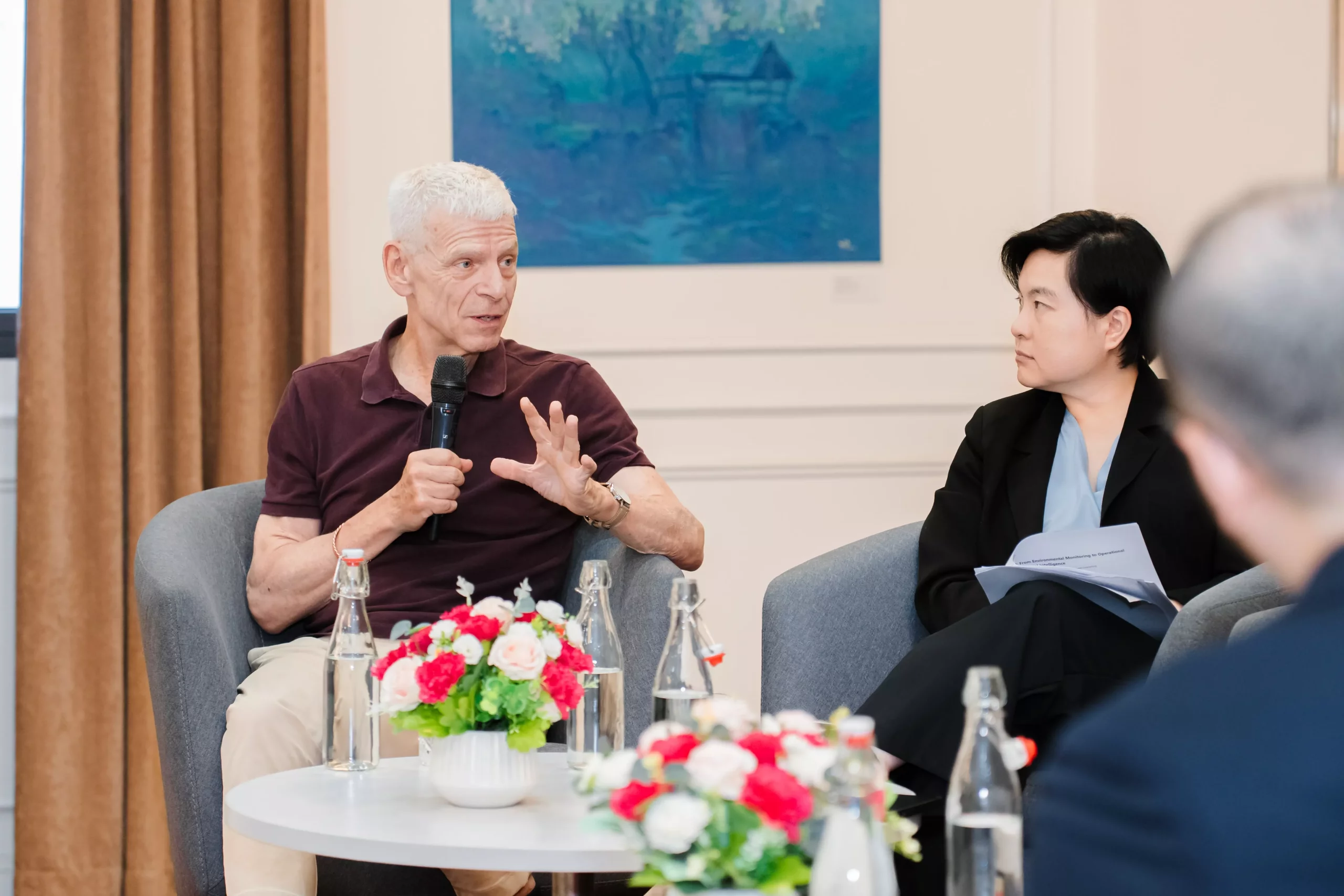
    The workshop concluded with a special high-level panel discussion moderated by Dr Duy Nguyen, Water Quality Modelling Lead with AquaWatch Australia and an environmental scientist at CSIRO. The panel featured distinguished leaders and scholars, including Prof. Nguyen Trung Viet (President of Thuyloi University), Prof. Laurent El Ghaoui (Vice Provost of VinUniversity), Ms. Lina Wong (Economic Counsellor, Australian Embassy in Vietnam), Dr. Tim Malthus (Senior Principal Research Scientist in CSIRO), and Dr. Bui Du Duong (Vice President, Water Research Institute, NAWAPI, Vietnam’s Ministry of Agriculture and Environment).
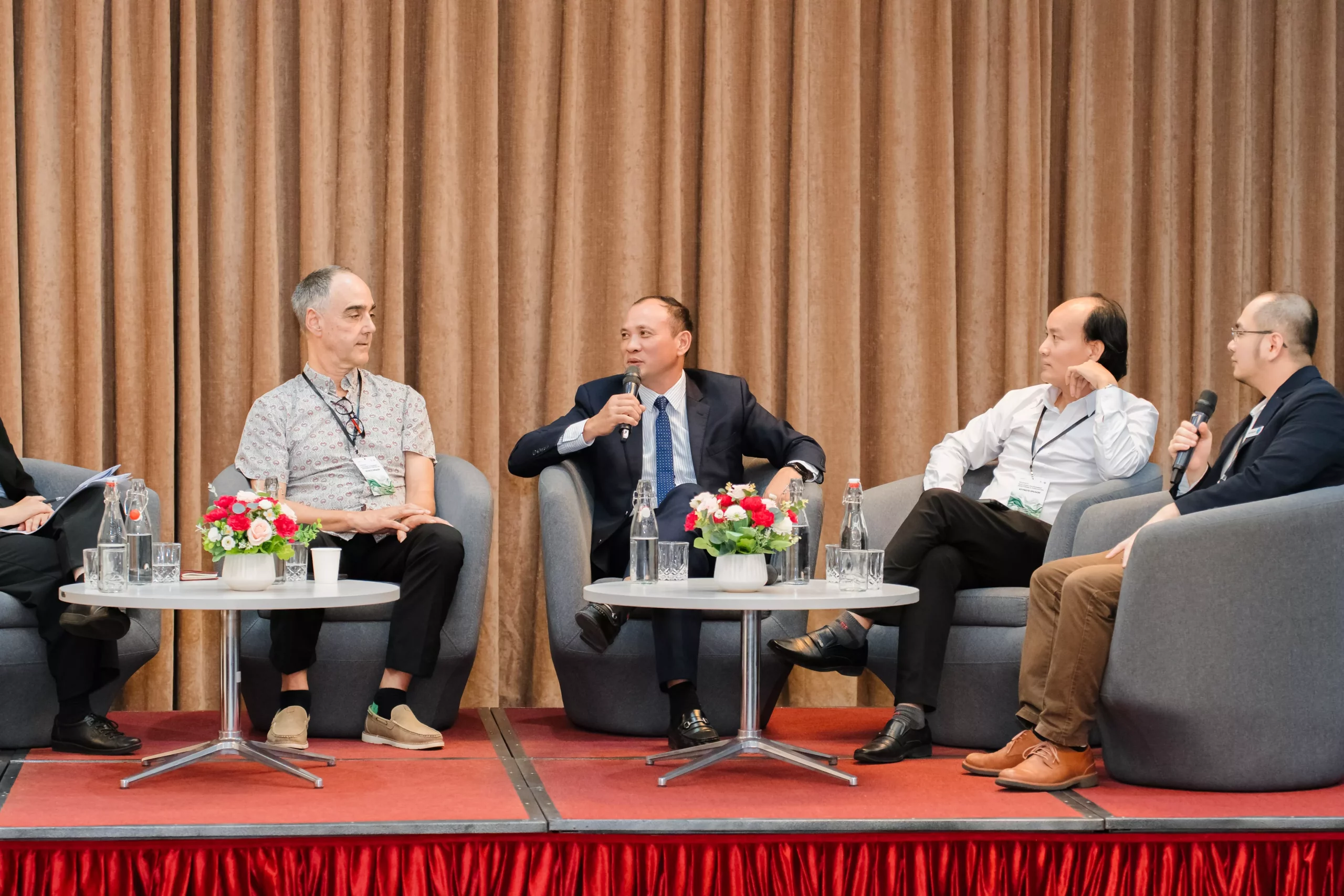
    Building Environmental Intelligence for Vietnam and Southeast Asia: Insights from the TLU–VinUni–CSIRO Workshop

    Under the theme “From Environmental Monitoring to Operational Environmental Intelligence: Opportunities for Vietnam and Southeast Asia,” the panel centred on a key overarching question: What is the biggest gap between current environmental monitoring and research capacity and a truly operational environmental intelligence system capable of supporting real-world decisions and remaining sustainable over the long term? During the discussion, Experts and policy representatives explored several interconnected challenges in moving from monitoring and research towards operational environmental intelligence, including model uncertainty, the practical role of artificial intelligence, data sharing and institutional coordination, sustainable financing, and pathways for translating research into operational services. Specifically:

    1. Model uncertainty: Panellists agreed that uncertainty is an inherent feature of environmental observations and forecasting systems and cannot be eliminated entirely. The challenge is therefore not only to quantify uncertainty, but also to communicate it clearly and meaningfully so that decision-makers understand the level of confidence, possible range of outcomes and implications for action.
    2. The practical role of AI: Panellists recognised the significant potential of AI to integrate large and diverse datasets and improve environmental analysis and forecasting. At the same time, AI should not be treated as a “black box”. Approaches such as Explainable AI and Physics-informed AI, and stronger integration between data-driven and process-based models, were highlighted as important for building transparency, trust and operational confidence.
    3. From research to sustained operations: A major gap remains in moving promising research and pilot projects into systems that can be maintained, scaled and used operationally. Panellists highlighted fragmented data, limited data-sharing mechanisms, unclear institutional responsibilities, long-term funding constraints and the need for stronger coordination among research organisations, government agencies and end users. Co-design should begin from the earliest stages, so that the research question, data requirements, operational responsibilities and decision needs are defined together.

    Ms Lina Wong also highlighted the importance of investment, financing and international cooperation in helping promising research move beyond the laboratory and pilot stage. Approaches such as blended finance, public–private partnerships and bilateral or regional cooperation can help bridge the gap between research and implementation, enabling successful technologies and services to be sustained and scaled in response to growing environmental and climate risks.
    Building Environmental Intelligence for Vietnam and Southeast Asia: Insights from the TLU–VinUni–CSIRO Workshop

    In the closing round, panellists were asked what practical change they would like to see over the next three years as evidence that Vietnam had genuinely progressed towards operational environmental intelligence. Responses pointed not only to the wider deployment of advanced, lower-cost, low-maintenance sensors and the better integration of large environmental datasets, but also to stronger institutional collaboration. A key measure of progress would be the ability of government agencies, universities, research organisations, international partners and other stakeholders to share data, align responsibilities and jointly develop, operate and sustain environmental information systems.

    Building on the panel discussion, Prof. Nguyen Trung Viet, President of Thuyloi University, outlined three areas through which TLU, as an academic and research institution, can contribute to this transition:

    • Strengthening capacity building and technology transfer: Thuyloi University can continue to strengthen its role as a hub for capacity building and technology transfer, supporting the technical and technological capabilities required by practitioners and system operators at national and local levels.
    • Sustaining research and continuous improvement: Continued field observations and data collection will remain important for refining AI algorithms, improving models and ensuring that operational systems can adapt to changing environmental, climatic and technological conditions.
    • Bridging funding and policy: Real-world evidence from research and pilot activities can provide a stronger basis for developing future project pipelines, attracting bilateral and international funding, supporting policy engagement, and building long-term partnerships rather than isolated short-term initiatives.

    The workshop concluded with a shared commitment to strengthening collaboration among research, government, industry, and international partners, while opening new opportunities for Thuyloi University to contribute its research, training, and technical expertise to the development of operational environmental intelligence in Vietnam and the wider Southeast Asian region.
    Building Environmental Intelligence for Vietnam and Southeast Asia: Insights from the TLU–VinUni–CSIRO Workshop

    By Vu Huong Ngan – Department of Science, Technology and International Cooperation

    Photos: VinUni
     

  • Thuyloi University welcomes Professor from the University of Guelph, Canada, opening up potential collaboration in Biotechnology and Food safety.

    Thuyloi University welcomes Professor from the University of Guelph, Canada, opening up potential collaboration in Biotechnology and Food safety.

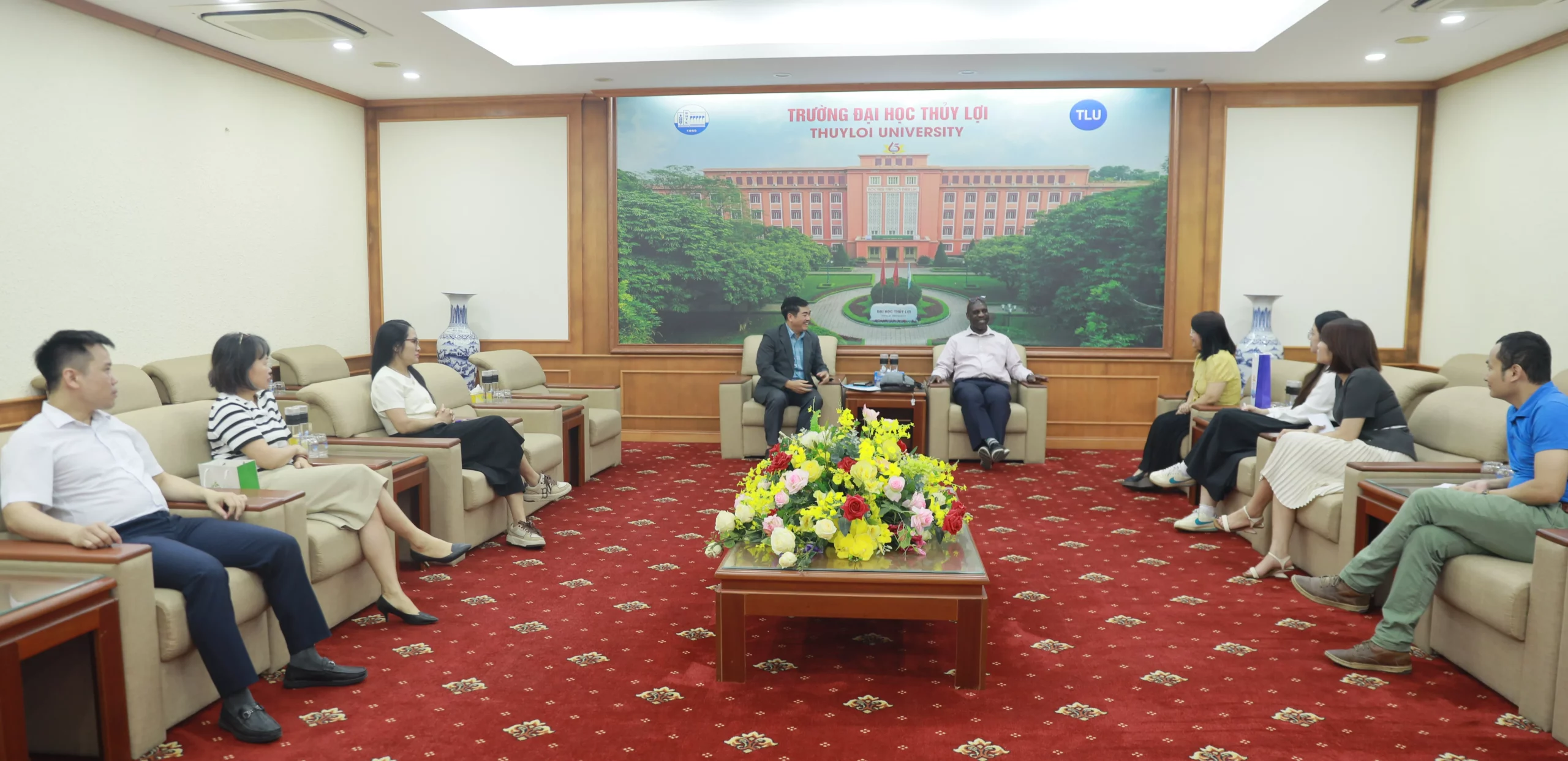
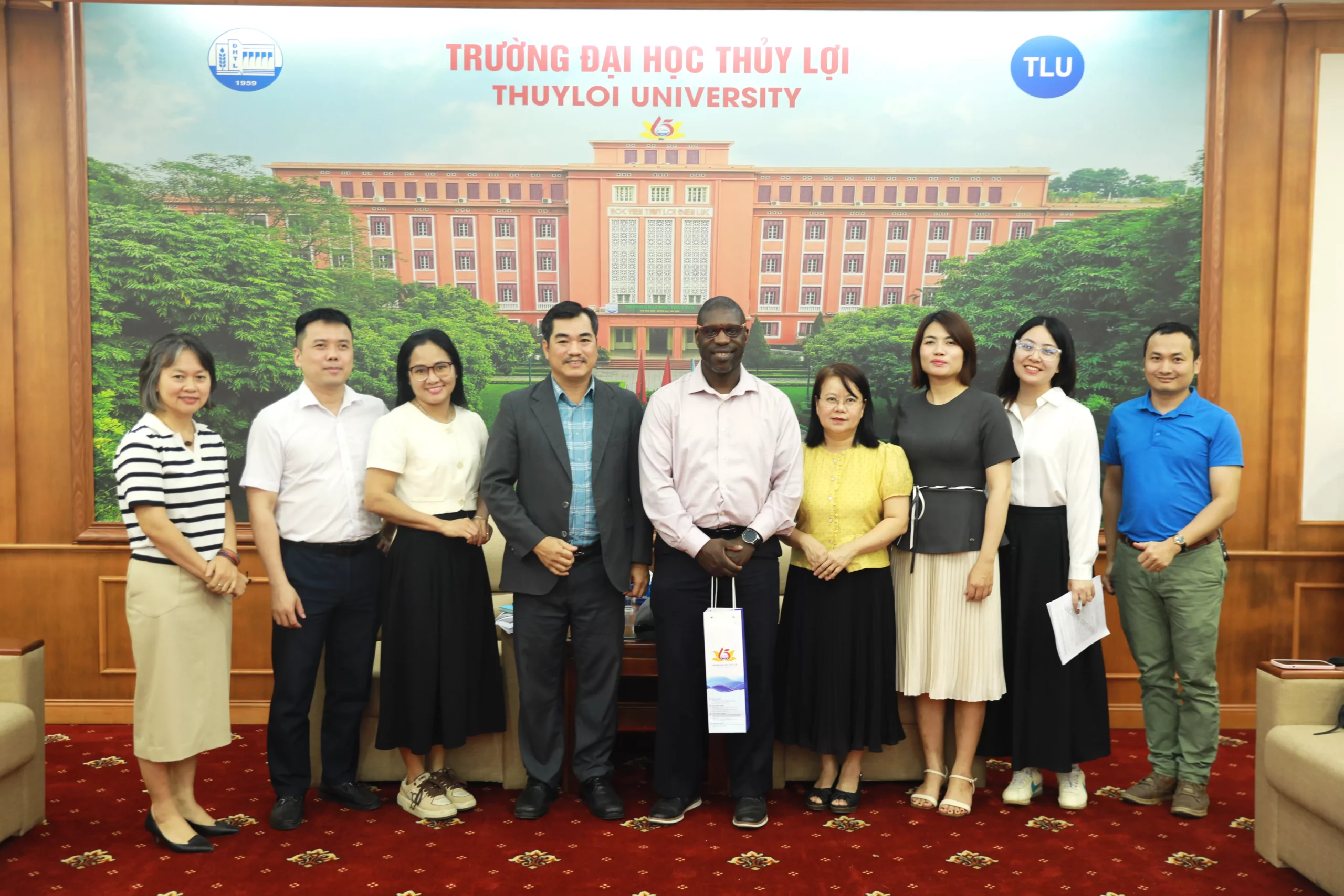
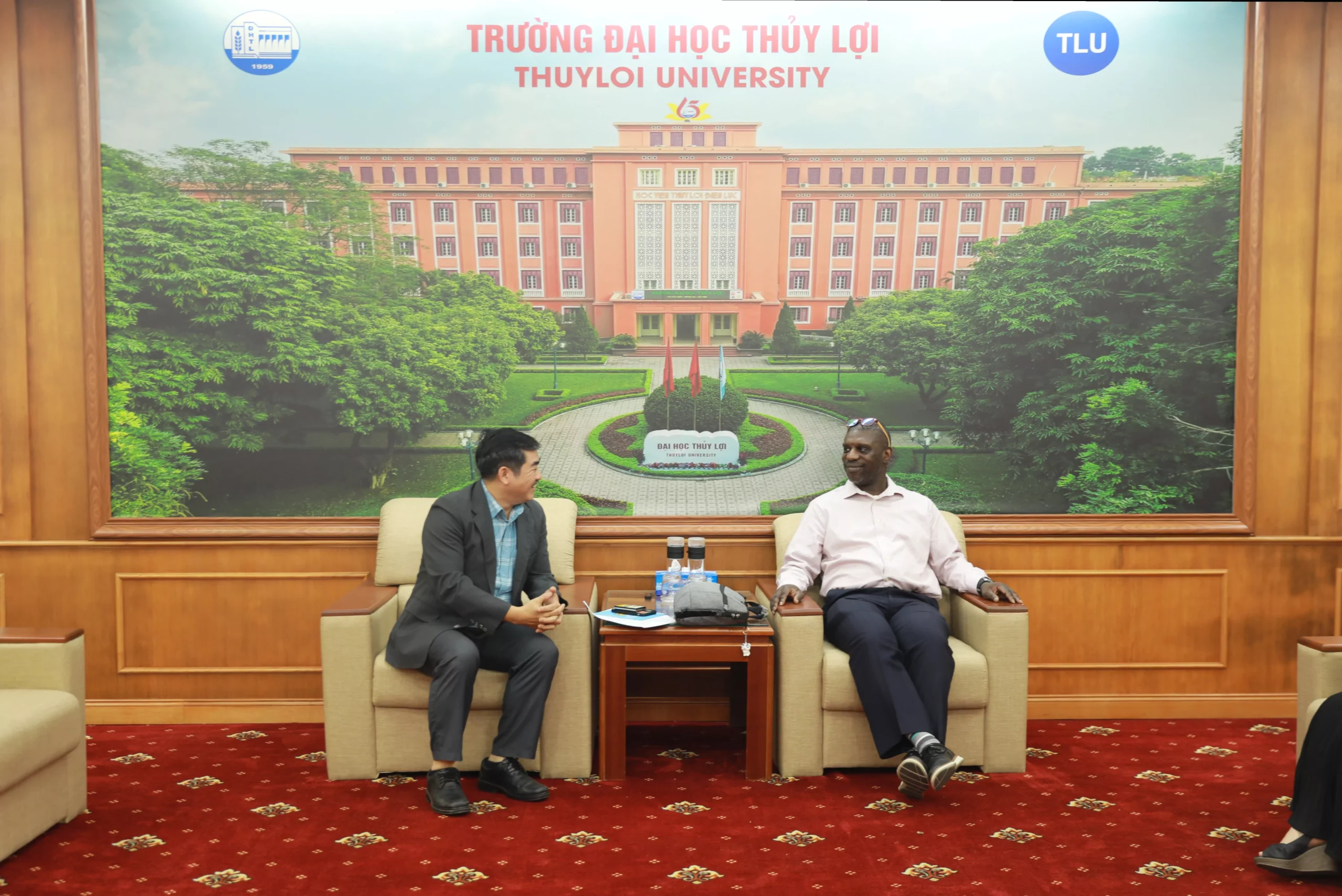
    On the afternoon of April 20, 2026,Thuyloi University (TLU) held a working session with Professor Lawrence Goodridge, Canadian Research Director of Foodborne Pathogen Dynamics and Director of the Canadian Institute for Food Safety Research, University of Guelph (Canada). As a key expert in the “Safe Food for Growth” (SAFEGRO) project, funded by the Canadian government for Vietnam from 2021-2025, the Professor’s cordial discussions opened up many opportunities for strategic cooperation aimed at enhancing the capacity of a sustainable food system in Vietnam in general and related research activities at the TLU in particular.

    Thuyloi University welcomes Professor from the University of Guelph, Canada, opening up potential collaboration in Biotechnology and Food safety.

    The representatives from the University attending the meeting included Dr. Le Quang Tuan – Deputy Head of the Department of Science and Technology and International Cooperation, Assoc. Prof. Dr. Nguyen Thi Lan Huong – Deputy Head of the Faculty of Chemistry and Environment, along with leaders and lecturers from the Biotechnology Department of the Faculty of Chemistry and Environment.

    Thuyloi University welcomes Professor from the University of Guelph, Canada, opening up potential collaboration in Biotechnology and Food safety.

    During the meeting, after reviewing the University’s history and its strengths in training and research, both sides confirmed that TLU and the University of Guelph have strong potential for cooperation. This cooperation would involve exchanging lecturers and students in the fields of biotechnology and water quality, specifically relating to agricultural production and national food security. Following this affirmation, Professor Lawrence Goodridge agreed to the proposal to further develop potential collaboration in both training and scientific research.

    In terms of training, Professor Lawrence emphasized the commitment to providing maximum opportunities for faculty and students to access online training courses as well as advanced academic programs on food safety from the University of Guelph. Simultaneously, the research orientation will focus on addressing the practical challenges of Vietnam’s agricultural sector, closely adhering to Decision No. 300/QD-TTg of the Prime Minister on transforming the food system into a transparent, accountable, and sustainable one by 2030.

    Thuyloi University welcomes Professor from the University of Guelph, Canada, opening up potential collaboration in Biotechnology and Food safety.

    Professor Nguyen Thi Kim Cuc from the Faculty of Chemistry and Environment discussed research collaboration with Professor Lawrence regarding environmental protection in coastal areas.

    In particular, the two sides also exchanged research directions on the treatment and reuse of food waste through fermentation technology. Dr. Cao Thi Hue from the Department of Biotechnology expressed her hope that Professor Lawrence would be interested in cooperating and providing academic support to enhance the capacity of the Faculty in similar research.

    Professor Lawrence happily agreed with the proposal for collaborative research centered around three key areas: food security, water security, and sustainable development. The combination of the traditional strengths of TLU and the research and collaboration capabilities of the University of Guelph – Canada is expected to generate new research activities, not only enhancing the university’s international standing but also directly contributing to the transformation of the national food system.

    Thuyloi University welcomes Professor from the University of Guelph, Canada, opening up potential collaboration in Biotechnology and Food safety.

        At the end of the meeting, both sides agreed to maintain regular contact to promote specific activities in the future. Top priorities include in-depth academic exchanges on food safety, identifying potential postgraduate students for short-term exchange programs, and coordinating the development of joint research project proposals to be submitted under the Protocol. They also agreed to study and propose to the leaders of both sides the development and signing of a Memorandum of Understanding (MOU), creating a solid legal framework for long-term cooperation./.

    Department of Science, Technology and International Cooperation

  • Strengthening cooperation on transboundary water resource management and protection through World Water Day 2026 event in Guangxi (China)

    Strengthening cooperation on transboundary water resource management and protection through World Water Day 2026 event in Guangxi (China)


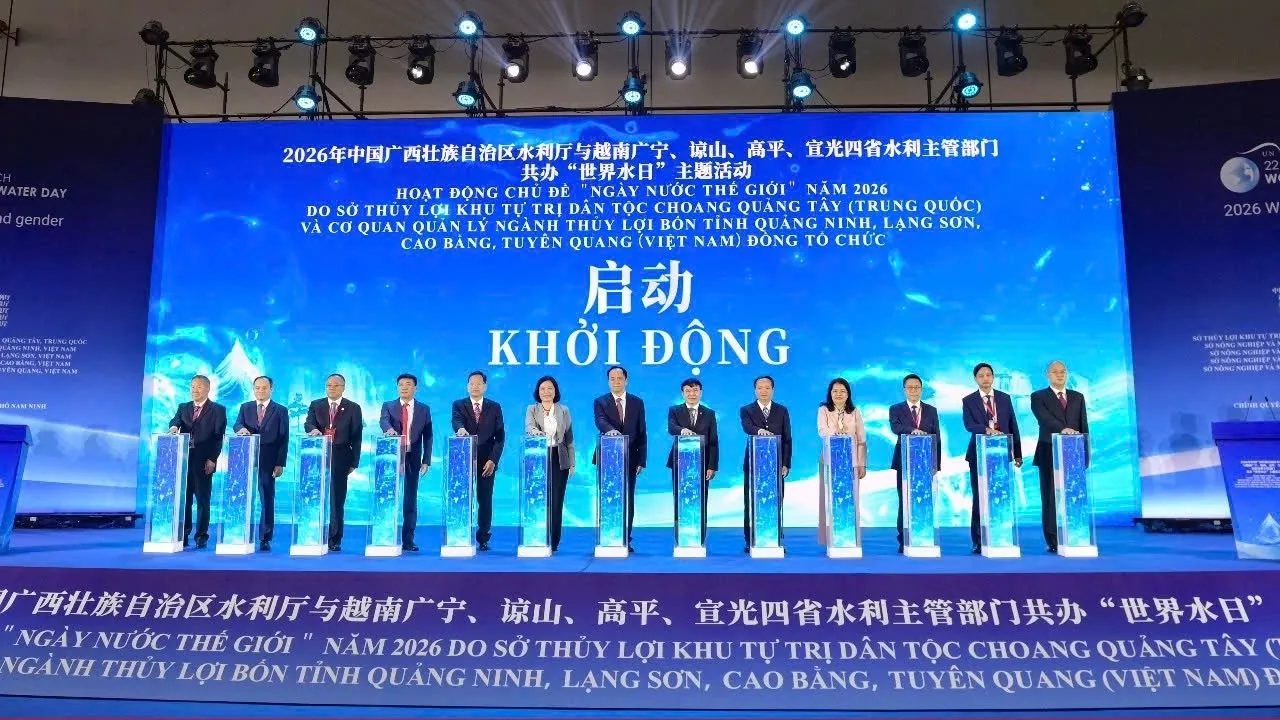
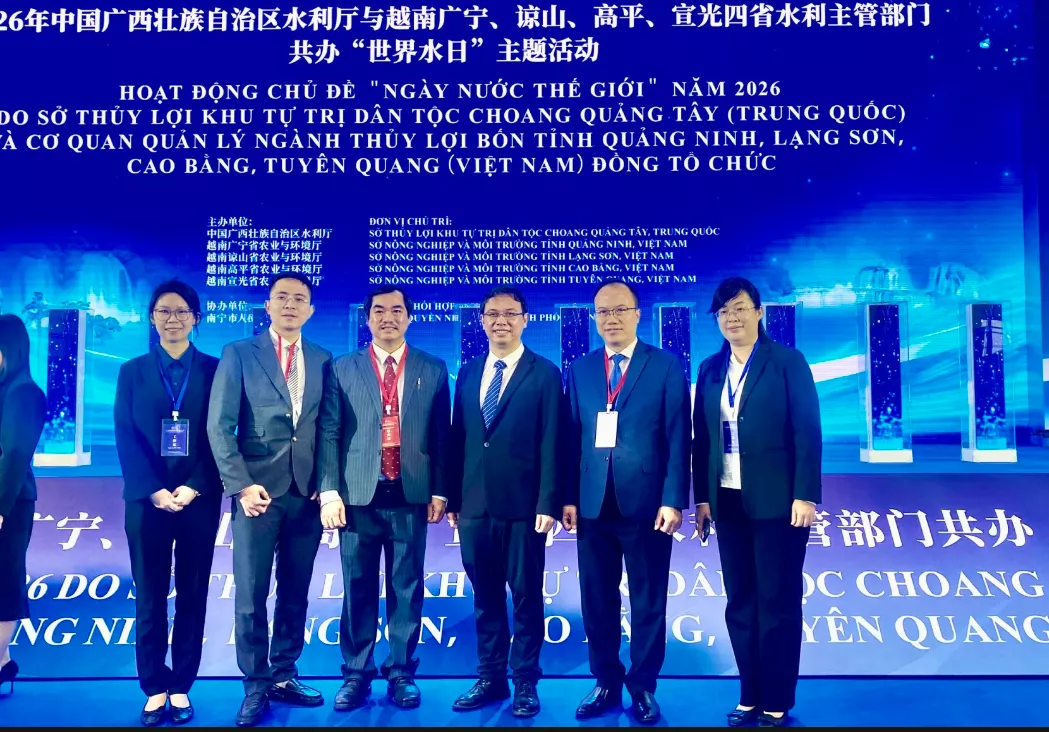
    On March 22, 2026, TLU delegation participated in a series of events commemorating “World Water Day” 2026. The event was jointly organized by the Department of Water Resources of the Guangxi Zhuang Autonomous Region and the Departments of Agriculture and Environment of Quang Ninh, Lang Son, Cao Bang, and Tuyen Quang provinces in Nanning City, Guangxi Province, China.

    The Vietnamese delegation consists of Ms. Nguyen Thi Huong, Consul General of Vietnam in Nanning, alongside representatives from the Departments of Agriculture and Rural Development and Natural Resources and Environment of provinces bordering China’s Guangxi region. Joining the delegation were officials from key agencies specialized in water resource management, disaster prevention, and irrigation infrastructure, as well as representatives from the Vietnam Academy of Water Resources and Thuyloi University.

    On the Chinese side, the event includes 500 delegates, including senior officials from the Ministry of Water Resources, leaders of the Guangxi Zhuang Autonomous Region, research institutes, and leading enterprises. The forum served as a platform for exchanging strategic ideas and showcasing cutting-edge achievements in water resources, irrigation, and disaster mitigation.

    Strengthening cooperation on transboundary water resource management and protection through World Water Day 2026 event in Guangxi (China)

    Strengthening cooperation on transboundary water resource management and protection through World Water Day 2026 event in Guangxi (China)

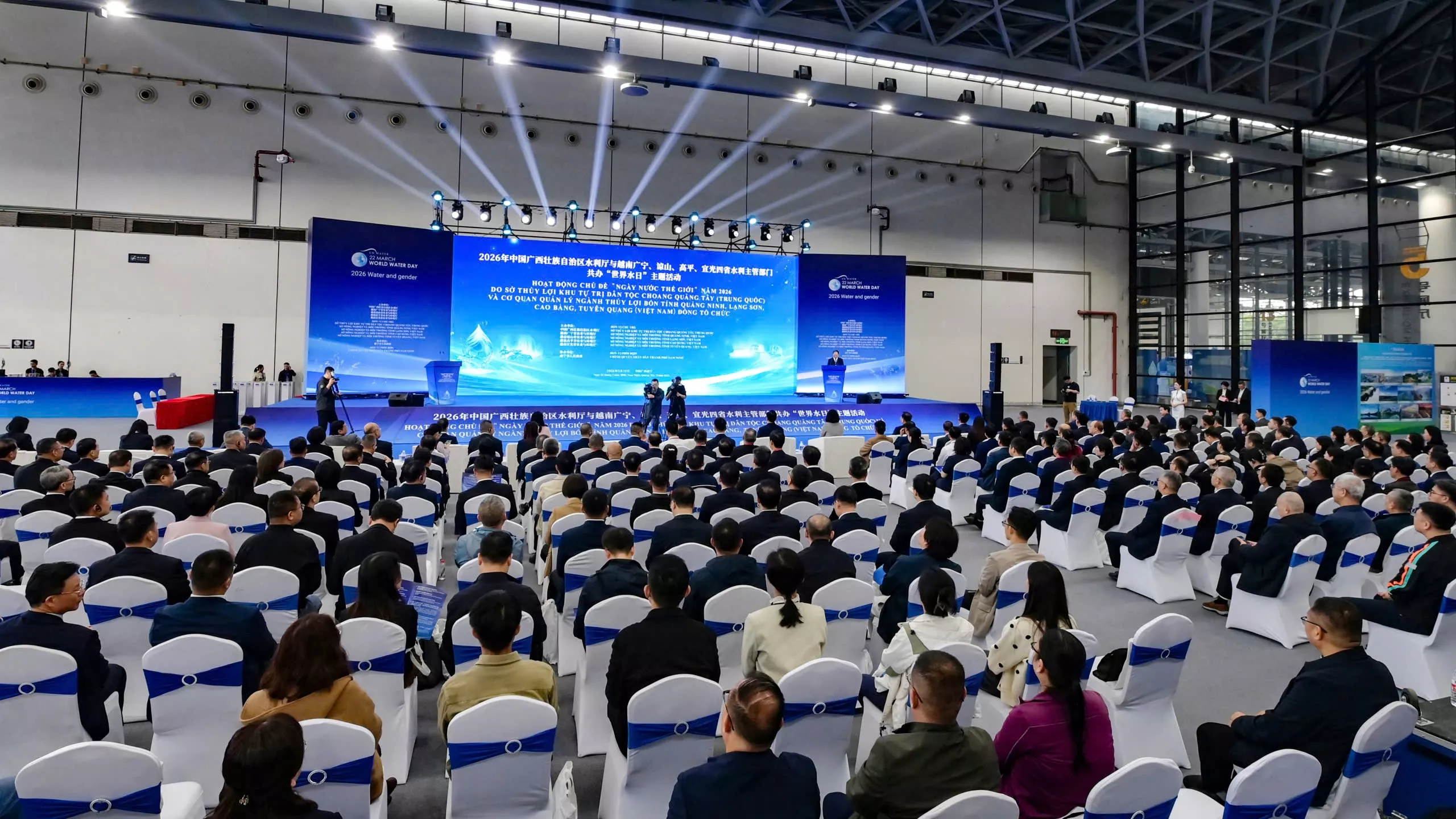
    The Launch Ceremony of the 34th World Water Day in Nanning, China – a collaborative event between the Guangxi Water Resources Department and provincial authorities from Cao Bang, Lang Son, Quang Ninh, and Tuyen Quang.

    According to Mr. Xian hui, Vice Chairman of the People’s Government -cum- Vice Chairman of the Chinese People’s Political Consultative Conference (CPPCC) of the Guangxi Zhuang Autonomous Region said “the World Water Day anniversary is more than just a technical water resources activity; it carries profound political significance. It serves to thoroughly implement the key directives from the leadership of both Parties and nations. Furthermore, the event demonstrates a commitment to the conclusions reached during the early 2026 meeting between the Secretary of the Guangxi Regional Party Committee and the leaders of Vietnam’s bordering provinces. By deepening bilateral cooperation in the water sector, both sides are working together to build a China-Vietnam community with a shared future of strategic importance”.

    Speaking at the plenary session, Ms. Nguyen Thi Huong, Consul General of Vietnam in Nanning, expressed her deep gratitude to the People’s Government of Guangxi for their proactive coordination with Vietnamese authorities, research institutes, and universities to organize this meaningful event. She emphasized “This event is a vivid reference of how our local regions are actively turning the shared vision of our top leaders into reality by fostering more comprehensive and practical cooperation, moving toward a new chapter in the joint management and protection of our transboundary water resources”

    Strengthening cooperation on transboundary water resource management and protection through World Water Day 2026 event in Guangxi (China)

    Strengthening cooperation on transboundary water resource management and protection through World Water Day 2026 event in Guangxi (China)

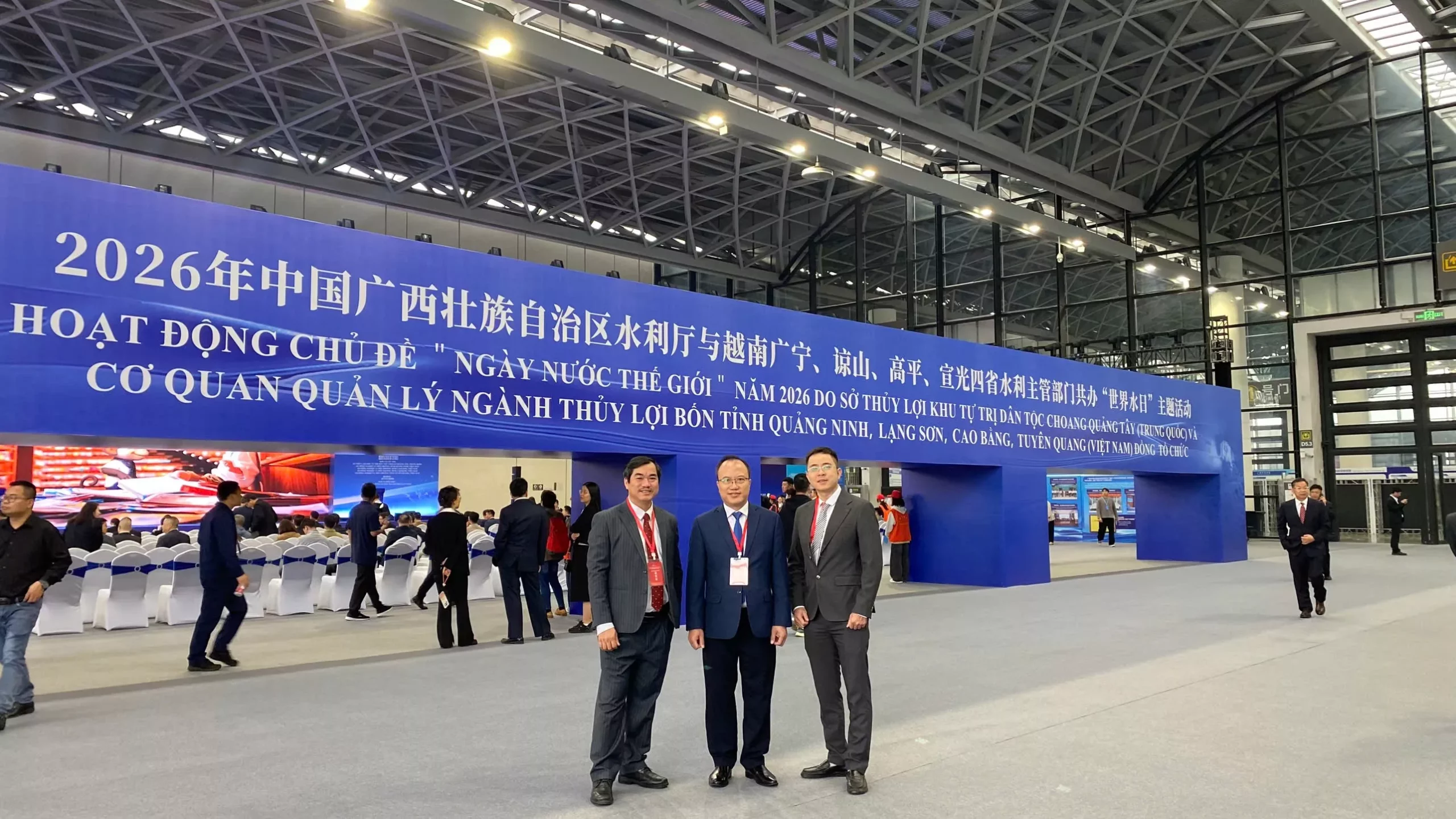
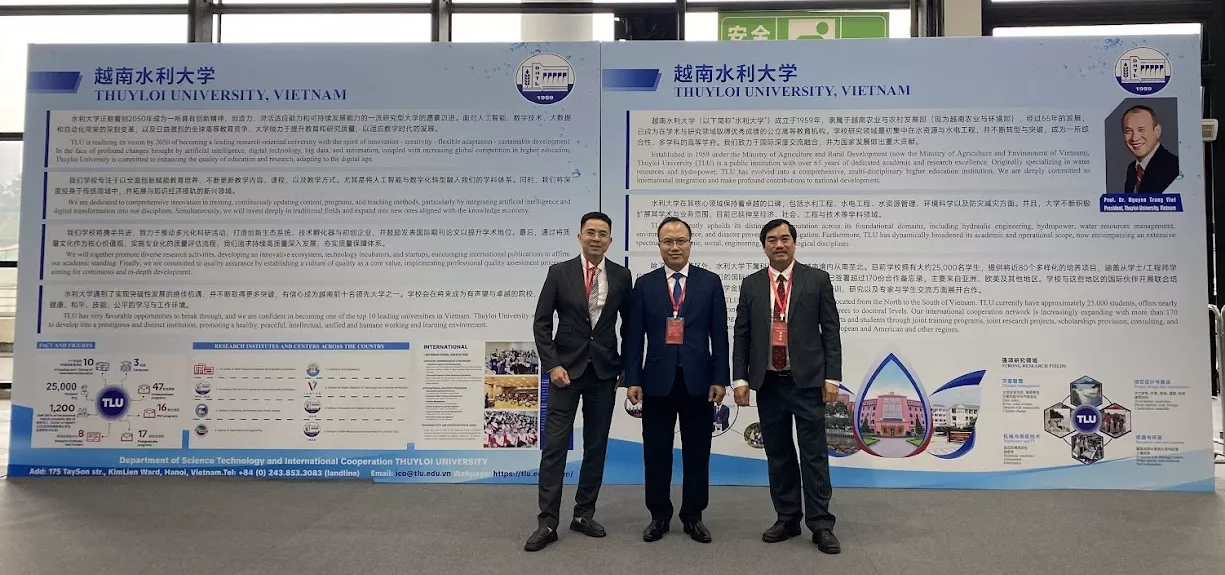
    Members of Thuyloi University delegation at the event: Assoc. Prof. Dr. Nguyen Ngoc Thang, Dean of the Faculty of Civil Engineering and Director of the Institute of Civil Engineering; Dr. Le Quang Tuan, Deputy Head of the Department of Science, Technology and International Cooperation; and Assoc. Prof. Dr. Tran Kim Chau, Deputy Head of the Department of River Engineering and Disaster Management

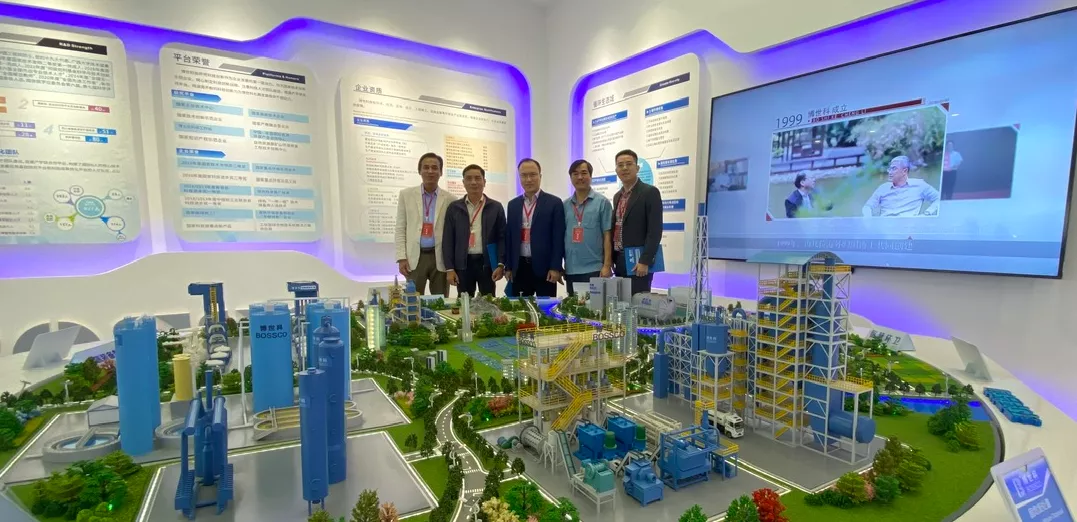
    Within the program, Guangxi province also hosted an exhibition highlighting its achievements in water resources development, the establishment of disaster prevention legal frameworks, and advanced water-saving technologies for drought mitigation. The exhibition featured a rich variety of displays, including photographs, technical documents, physical scale models, and multimedia presentations. The effective advancements in green hydropower and state-of-the-art irrigation equipment underscored a promising outlook for broad cooperation among all parties in the water sector.

    Strengthening cooperation on transboundary water resource management and protection through World Water Day 2026 event in Guangxi (China)

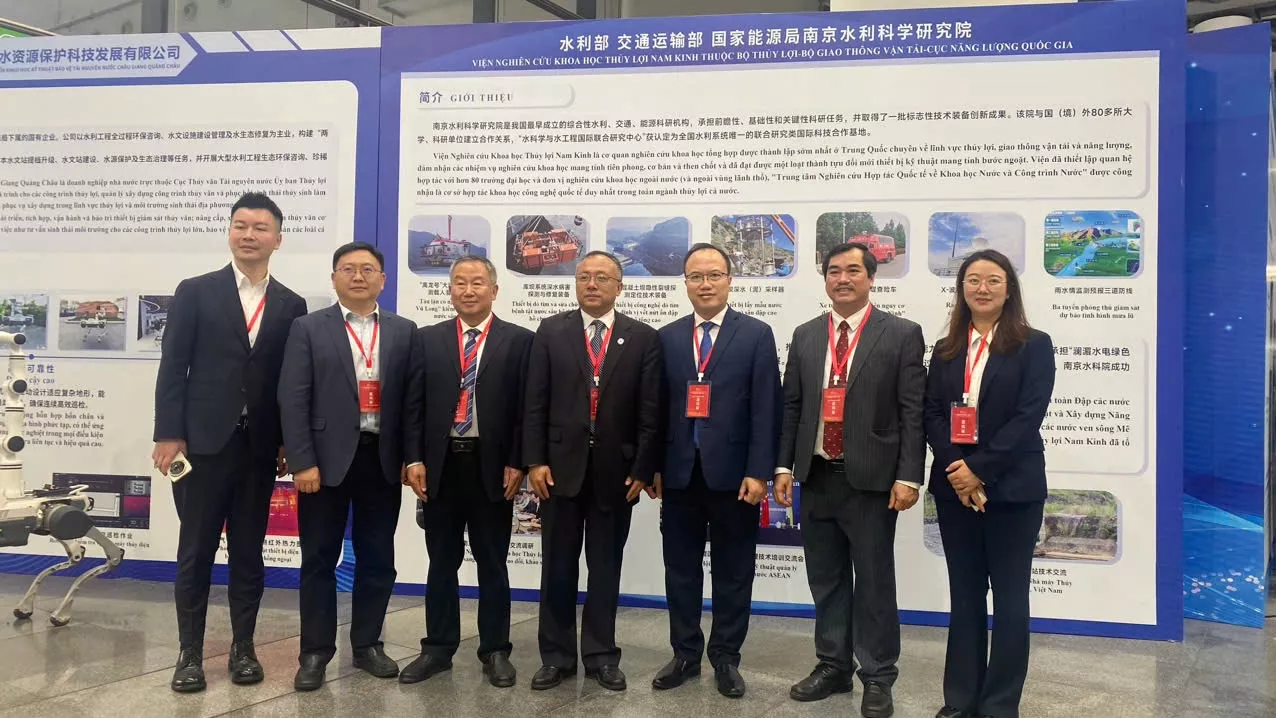
    TLU delegates exploring the exhibition and fostering partnerships with the Nanjing Hydraulic Research Institute and the Mekong-Lancang Water Resources Cooperation Center.

    Strengthening cooperation on transboundary water resource management and protection through World Water Day 2026 event in Guangxi (China)

    TLU Delegation and Prof. Dr. Liu Cunxiang, President of Guangxi Vocational College of Water Resources and Electric Power

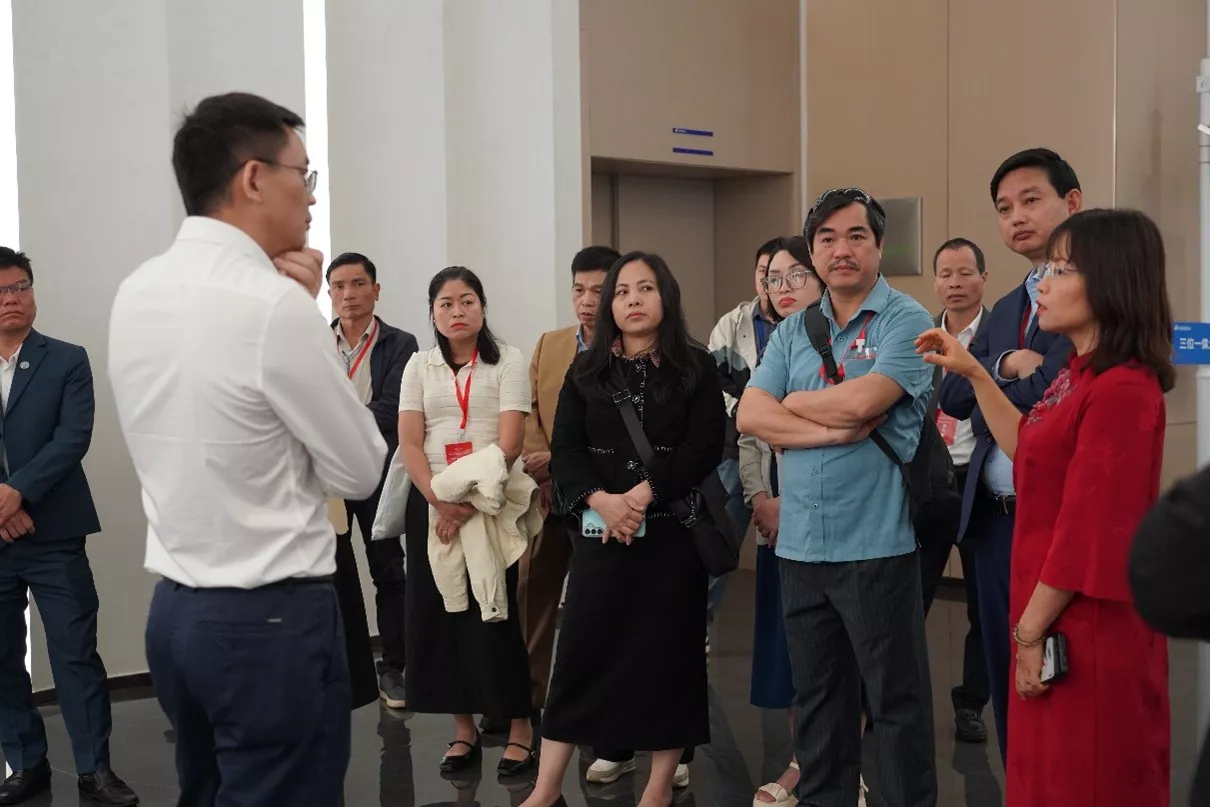
    Within the framework of the events, the Thuyloi University delegation, along with units from the Ministry and various provinces, was arranged by the Organizing Committee to conduct field visits to witness several advanced technologies in construction engineering and irrigation engineering featuring AI applications, such as construction and management of advanced irrigation systems applying AI technology by the Jiejairun (JJR) Company, industrial wastewater treatment and reuse technology by the Guangxi BOSSCO Environmental Protection Technology Co., Ltd. Furthermore, the delegates visited the “Happy Rivers and Lakes” model on the Yung River (the section of the Yu River passing through Nanning City), and toured the infrastructure system on the Pinglu Canal. The canal, which connecting Pearl River system to the Gulf of Tonkin, accommodates 5,000-ton transport vessels to boost the economic development of Guangxi Province, and is considered a symbol of pride for the water resources industry in both China and Guangxi..

    Strengthening cooperation on transboundary water resource management and protection through World Water Day 2026 event in Guangxi (China)

    TLU delegation touring the industrial wastewater treatment plant at Guangxi BOSSCO Environmental Protection Technology Co., Ltd.

    Strengthening cooperation on transboundary water resource management and protection through World Water Day 2026 event in Guangxi (China)

    TLU delegation and Jiejairun (JJR) Company discuss AI-driven smart irrigation management.

    The successful hosting of World Water Day 2026 in Guangxi serves as a forward-looking milestone, paving the way for expanded practical cooperation in disaster mitigation, integrated water resource management, environmental protection, and water science and technology. It further promotes talent development, water legislation, and enhanced mechanisms for transboundary water cooperation. Ultimately, this event reflects a spirit of close partnership aimed at sustainable development and improving the quality of life for the people of both Vietnam and China./.

    Information and photos: TLU delegation in Guangxi.

    (more…)

  • Thuyloi University welcomes IEEE Fellow Prof. Gary W. Chang from Chung Cheng National University (Taiwan)

    Thuyloi University welcomes IEEE Fellow Prof. Gary W. Chang from Chung Cheng National University (Taiwan)


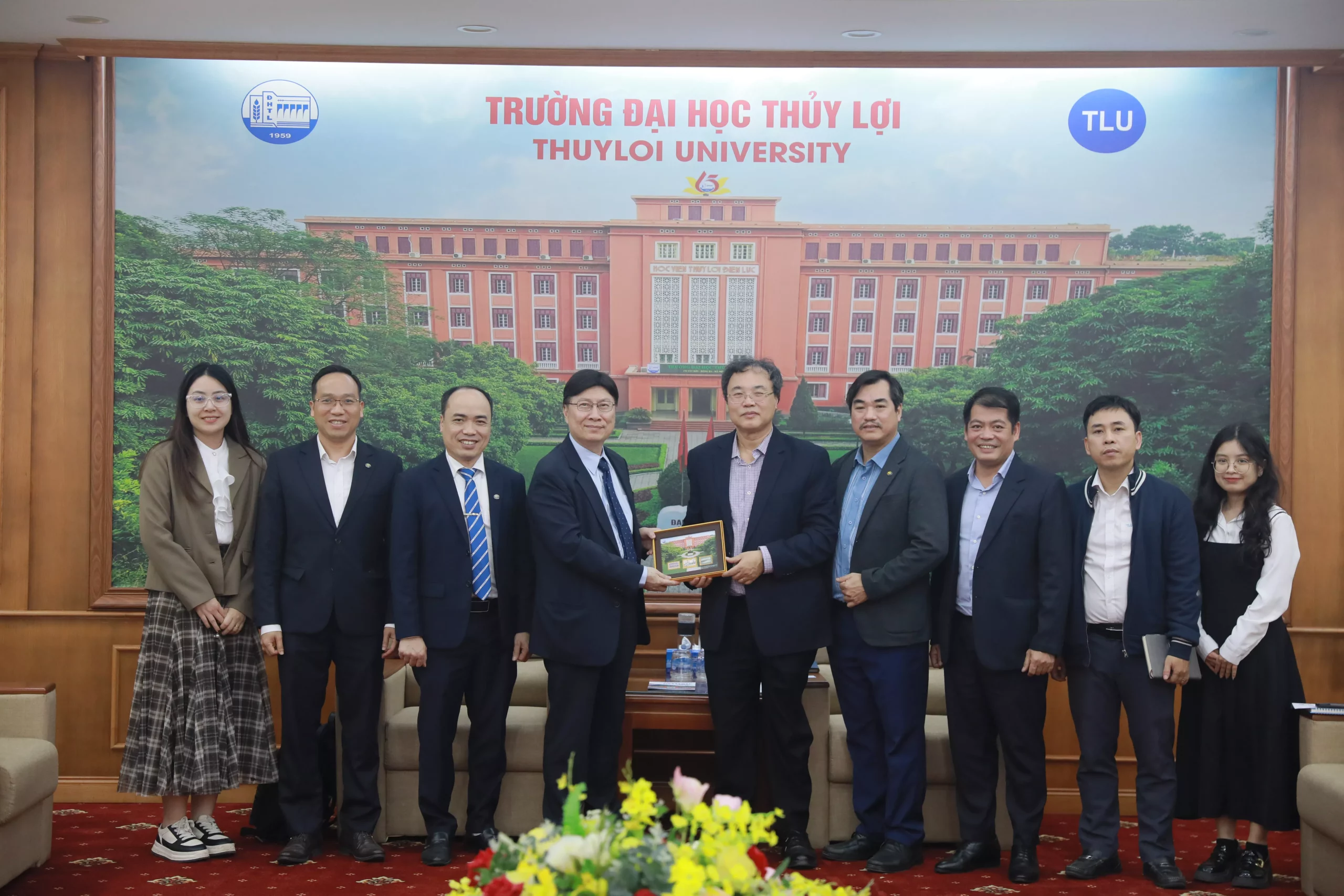
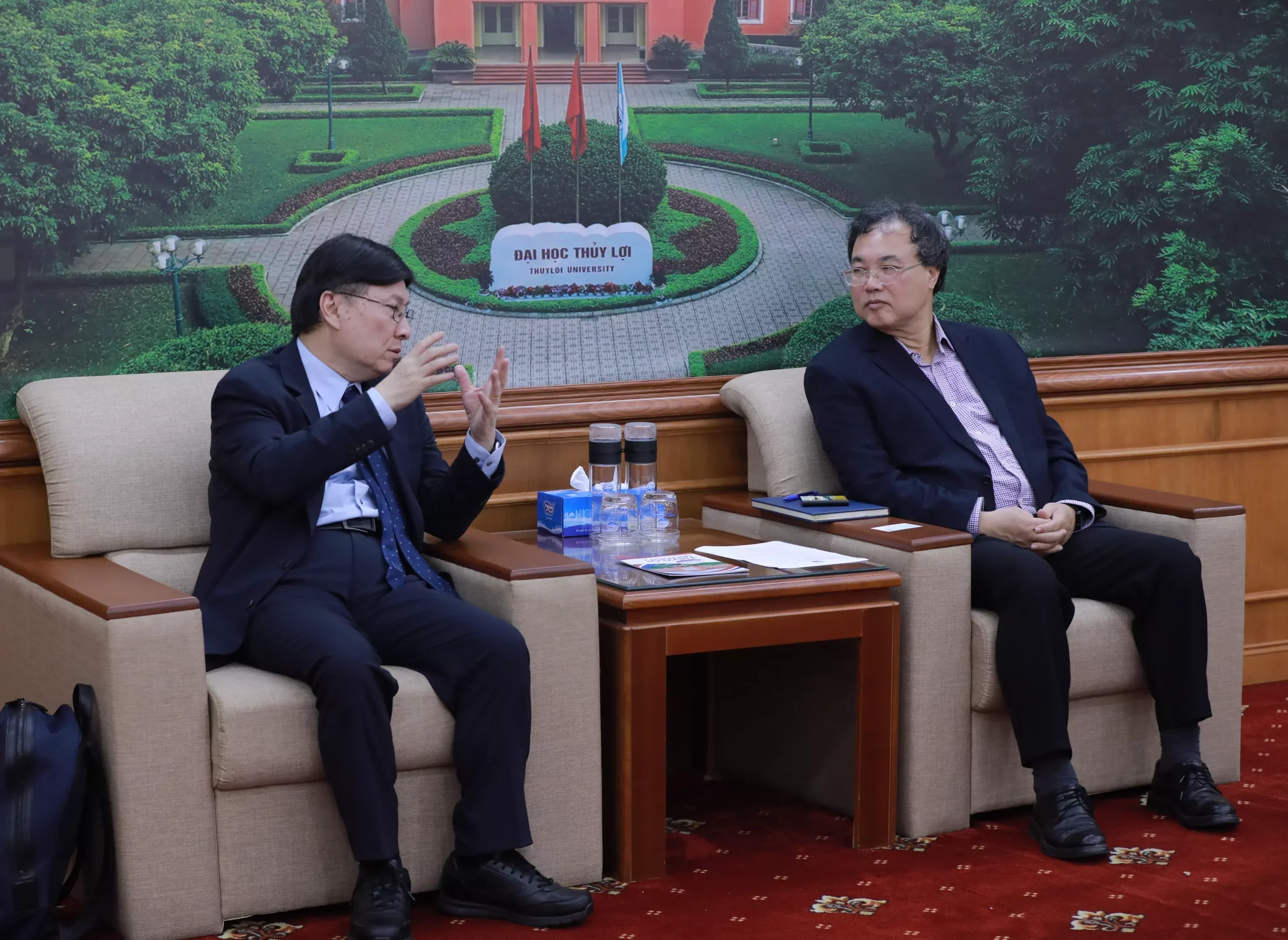
    On the afternoon of March 5, 2026, Thuyloi University (TLU) hosted a high-level working session with Prof. Gary W. Chang from National Chung Cheng University (CCU – Taiwan). Prof. Chang is a globally recognized expert in electrical and power engineering and holds the prestigious distinction of being an Institute of Electrical and Electronics Engineers (IEEE) Fellow.

    The meeting was chaired by Vice President Nguyen Canh Thai, with the participation of representatives from the Department of Science, Technology and International Cooperation, and the Faculty of Electrical and Electronic Engineering.

    Thuyloi University welcomes IEEE Fellow Prof. Gary W. Chang from Chung Cheng National University (Taiwan)

    At the opening of the meeting, Assoc. Prof. Dr. Nguyen Canh Thai extended a warm welcome and expressed his sincere gratitude to Prof. Gary W. Chang for visiting Thuyloi University. Both parties delivered presentations on their respective institutions, highlighting their historical development, educational scale, and research strengths. This exchange laid a solid foundation for identifying shared goals in engineering.

    Thuyloi University welcomes IEEE Fellow Prof. Gary W. Chang from Chung Cheng National University (Taiwan)

    Both CCU and TLU expressed a mutual desire to deepen the long-term partnership by creating opportunities for faculty and student exchange programs, collaborating on international research projects, and organizing joint academic seminars and conferences. In particular, Prof. Chang expressed his readiness to support TLU in the fields of renewable energy and the application of Artificial Intelligence (AI) in engineering.

    Thuyloi University welcomes IEEE Fellow Prof. Gary W. Chang from Chung Cheng National University (Taiwan)

    As part of the visit, Prof. Gary W. Chang participated in a technical working session with the Faculty of Electrical and Electronic Engineering. The program centered on a specialized lecture regarding Early Fault Detection in Power Grids by Prof. Chang, followed by in-depth academic discussions. Both parties also discussed strategic directions for research collaboration and the curriculum enhancement.

    Thuyloi University welcomes IEEE Fellow Prof. Gary W. Chang from Chung Cheng National University (Taiwan)


    At the end of the session, both parties highly valued the results of the discussions and agreed to maintain close communication and coordination to gradually materialize the cooperative contents in the near future.

    The visit and working session with Prof. Gary W. Chang represent a significant opportunity for both institutions to reach new milestones in training, scientific research, and the development of high-quality human resources, particularly within the field of Electrical and Electronic Engineering at Thuyloi University.